Sofa Cleaning in Modern Homes: A Practical Approach to Fresh, Healthy Upholstery
Why Sofa Cleaning Matters More Than Most People Realize
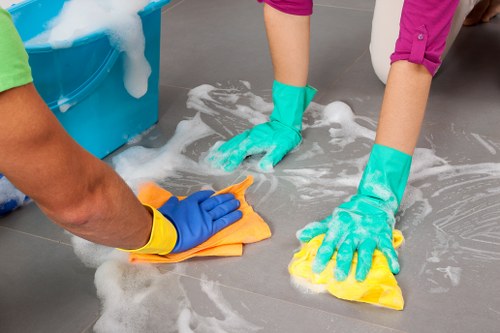
Sofa cleaning is often overlooked until stains, odors, or visible dust start to build up, but waiting too long can make upholstery harder to maintain. A sofa is one of the most used pieces of furniture in any home, which means it collects crumbs, pet hair, body oils, allergens, and everyday dirt faster than many people expect.
Regular sofa cleaning does more than improve appearance. It helps create a healthier indoor environment, supports the longevity of the fabric, and keeps your living space feeling inviting. Whether your sofa is made of microfiber, cotton, linen, velvet, or leather, the right cleaning routine can make a noticeable difference.
For households with children, pets, or frequent guests, upholstery care becomes even more important. A clean sofa can reduce lingering smells, prevent particles from settling deep into cushions, and preserve the original texture and color of the material. Professional sofa cleaning and smart at-home maintenance both play a role in protecting your furniture investment.
Understanding Different Sofa Materials

Before starting any sofa cleaning routine, it is essential to identify the fabric type. Different materials respond differently to moisture, detergents, brushing, and steam. Using the wrong method can cause discoloration, shrinkage, stiffness, or permanent damage.
Here are some common upholstery materials and how they typically behave:
- Microfiber: Durable and stain-resistant, but it can still trap oils and dust.
- Cotton: Comfortable and breathable, though it may absorb spills quickly.
- Linen: Elegant and natural, but often delicate and prone to creasing.
- Velvet: Soft and luxurious, yet sensitive to pressure and excess water.
- Leather: Easy to wipe down, but it needs conditioning to avoid drying and cracking.
Most sofas have a care label with cleaning codes that indicate the safest method. These codes may tell you whether the upholstery can be cleaned with water-based solutions, solvent-based cleaners, or only professional treatment. When in doubt, test any product on a hidden area first. This small step can prevent major issues during sofa cleaning.
Common Problems Found During Sofa Cleaning

When people begin sofa cleaning, they often discover more than just surface dust. Sofas can hide deep-seated debris and buildup that affects both appearance and hygiene. Understanding these common issues helps you choose the best cleaning method.
Typical problems include:
- Food and beverage stains: Spills from coffee, juice, wine, sauces, and snacks can settle into fibers quickly.
- Pet hair and dander: These cling to fabric and may trigger allergies.
- Body oils and sweat: Repeated contact from heads, arms, and backs creates dark patches over time.
- Dust and allergens: Fine particles can accumulate inside cushions and seams.
- Odors: Smoke, food, pets, and moisture can leave unpleasant smells.
These issues are not just cosmetic. Deep buildup can shorten the life of your upholstery and make the sofa feel less comfortable. That is why routine sofa cleaning should be part of your regular home maintenance plan rather than an occasional emergency task.
Effective Sofa Cleaning Methods for Everyday Use
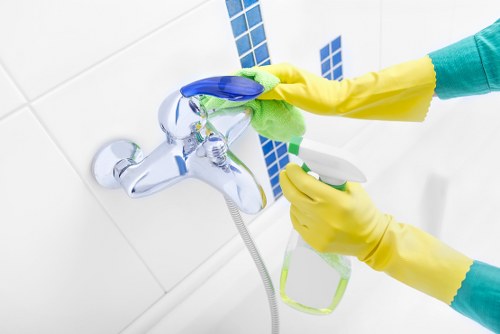
Every home benefits from a practical cleaning routine, and sofa cleaning is no exception. Simple, consistent habits can keep upholstery looking fresh between professional appointments. The key is to clean gently and regularly instead of waiting until stains become severe.
Useful everyday methods include:
- Vacuuming weekly: Use an upholstery attachment to remove dust, crumbs, and pet hair from cushions, crevices, and seams.
- Spot cleaning quickly: Blot spills immediately with a clean cloth to reduce staining.
- Brushing fabric: A soft upholstery brush can lift lint and loosen dirt from textured materials.
- Flipping cushions: Rotate and reverse cushions to promote even wear.
- Air circulation: Keep the room ventilated to reduce trapped moisture and odors.
For routine sofa cleaning, less is often more. Over-wetting the fabric or scrubbing aggressively can push dirt deeper into the upholstery. Instead, use gentle pressure, mild products, and controlled moisture. This keeps the sofa looking tidy while avoiding unnecessary wear.
Step-by-Step Sofa Cleaning Process at Home

Many homeowners prefer to handle basic sofa cleaning themselves, especially for light dirt and everyday maintenance. A systematic process can help achieve better results while minimizing the chance of damage. The following steps work well for many fabric sofas, though you should always check the manufacturer’s instructions first.
Start with a thorough vacuuming session. Remove loose cushions if possible, and clean every hidden area, including under the seats and along the frame. Use a crevice tool for tight corners and seams where crumbs and dust often settle.
Next, inspect the sofa for stains or spots. Different marks may need different treatments, so identify whether you are dealing with food, grease, ink, pet accidents, or general discoloration. This is where careful sofa cleaning becomes more effective than random scrubbing.
Then prepare a mild cleaning solution suitable for your fabric. For many upholstered sofas, a small amount of gentle dish soap mixed with water can help with light stains. Dampen a microfiber cloth lightly, blot the stain, and avoid saturating the material. Work from the outside of the stain inward to prevent spreading.
After treatment, use a dry cloth to remove excess moisture. If needed, allow the sofa to air dry completely with windows open or fans running. Proper drying is a crucial part of sofa cleaning because trapped moisture can lead to mildew, odors, and fabric damage.
How to Handle Specific Stains During Sofa Cleaning
Food, Drink, Grease, and Ink
Different stains require different approaches, and knowing how to respond can save your upholstery. A well-timed response is often the most important factor in successful sofa cleaning. The longer a stain sits, the more it bonds to the fibers.
For coffee or tea: Blot the spill immediately with a dry cloth, then use a small amount of mild detergent solution. Avoid rubbing, as this can spread the stain.
For grease: Sprinkle a small amount of baking soda or cornstarch on the spot to absorb oil before vacuuming and treating the area.
For ink: Use a fabric-safe stain remover or rubbing alcohol on a cotton swab, but test first in a hidden area.
For pet accidents: Use an enzymatic cleaner designed to break down organic matter and neutralize odor. This is especially useful in households where sofas are used by pets and children.
What Not to Do
Do not use harsh bleach, strong abrasives, or excessive water. These can damage fibers and create larger marks than the original stain. In sofa cleaning, caution matters just as much as speed.
Professional Sofa Cleaning: When It Makes Sense
While home maintenance is useful, there are times when professional sofa cleaning is the better choice. Deep-set stains, lingering odors, delicate upholstery, and large households can make expert cleaning more efficient and safer.
Professional services often use specialized equipment such as hot water extraction, low-moisture systems, steam tools, and fabric-specific detergents. These methods can reach deeper into the upholstery than standard household tools, helping remove embedded dirt and allergens.
Consider professional sofa cleaning if you notice any of the following:
- Persistent stains that do not respond to household methods
- Unpleasant odors that keep returning
- Allergy symptoms caused by dust and dander
- Water damage or mold concerns
- Delicate fabric requiring specialized care
Professional upholstery cleaning can also extend the lifespan of a sofa by lifting buildup before it causes long-term wear. If your sofa is a major design feature in your living room, this investment can help it continue looking its best for years. Book your service now if your upholstery needs deeper treatment than routine maintenance can provide.
How Sofa Cleaning Supports a Healthier Home
Reducing Allergens, Odors, and Indoor Pollution
Clean upholstery is not only visually appealing; it also contributes to a healthier living environment. Sofas can act like filters, collecting dust, pollen, pet dander, and microscopic particles from the air. Over time, those particles may be released back into the room whenever someone sits down or moves the cushions.
Regular sofa cleaning helps reduce these issues. By removing accumulated allergens and debris, you can create a cleaner space for family members and guests. This can be especially beneficial for people with asthma, allergies, or sensitivity to dust.
Odor control is another major benefit. Upholstery absorbs smells from cooking, pets, smoke, and humidity. Even when the sofa looks clean, it may still hold stale odors deep inside the fibers. Routine sofa cleaning, along with proper ventilation, can keep the room smelling fresher and more comfortable.
In addition, a clean sofa supports a more polished home atmosphere. A well-maintained couch can make the entire space feel brighter and more welcoming. That is one reason sofa cleaning remains a smart habit in modern households.
Sofa Cleaning Tips for Different Household Situations
Families, Pet Owners, and Busy Homes
Different households need different approaches to sofa cleaning. A home with toddlers, pets, or frequent visitors will naturally experience more wear than a quiet apartment with one or two residents. Adjusting your routine to fit your lifestyle can make maintenance far easier.
For families with children:
- Use washable throws or removable covers if possible.
- Clean spills immediately after meals or snacks.
- Schedule regular vacuuming to catch crumbs and dirt.
For pet owners:
- Remove hair using a lint roller or rubber brush.
- Address odors promptly with safe fabric cleaners.
- Keep pet bedding nearby to reduce couch use when possible.
For busy homes:
- Set a monthly sofa cleaning reminder.
- Focus on high-contact zones such as armrests and headrests.
- Use quick-drying products that fit into a tight schedule.
These habits do not require much time, but they can dramatically improve the look and lifespan of your upholstery. Consistency is the secret to successful sofa cleaning in active households.
Seasonal Sofa Cleaning and Long-Term Maintenance
Keeping Upholstery Fresh All Year
Seasonal changes can affect how your sofa looks and feels. Humidity, dust levels, and indoor activity patterns all influence the condition of upholstery. Adjusting your sofa cleaning routine throughout the year helps maintain results and prevent buildup.
Spring: Focus on dust removal, allergy reduction, and deep cleaning after winter use. This is a great time to refresh upholstery and remove trapped particles.
Summer: Watch for sweat, food spills, and increased moisture. Make sure the sofa dries fully after cleaning.
Autumn: As families spend more time indoors, regular vacuuming and spot treatment become important.
Winter: Heaters and closed windows can make indoor air drier, which may increase dust circulation. Keep up with routine sofa cleaning to avoid buildup.
Long-term maintenance also includes protecting the sofa from direct sunlight, which can fade fabric over time. Consider moving the sofa slightly or using curtains and blinds to reduce sun exposure. Small adjustments like these support your overall sofa cleaning efforts and help preserve the appearance of the furniture.
Choosing the Right Products for Sofa Cleaning
Using suitable products is essential for safe and effective sofa cleaning. The best product depends on your fabric type, the stain you are treating, and the level of cleaning needed. A product that works on one sofa could be harmful on another.
Look for cleaners that are labeled as upholstery-safe, fabric-friendly, or appropriate for your material type. Mild detergents, enzymatic cleaners, and targeted stain removers are often useful. Avoid products with strong bleach content or heavy perfumes unless specifically recommended.
Helpful product considerations include:
- pH balance: Gentle formulas are less likely to damage fabric fibers.
- Moisture level: Low-moisture options reduce drying time and risk.
- Residue: Cleaners that leave little residue help keep the sofa from feeling sticky.
- Fabric compatibility: Always match the product to the upholstery code and material.
Natural options such as baking soda can help with odor control, while vinegar may be useful in some cases if diluted properly and tested first. However, even natural products should be used carefully. Successful sofa cleaning depends on technique as much as ingredients.
Signs Your Sofa Needs Immediate Cleaning
When to Act Before the Problem Gets Worse
Some signs are obvious, while others are subtle. Waiting too long can turn a simple cleaning task into a restoration project. If you notice any of the following, it is probably time for immediate sofa cleaning.
Warning signs include:
- Visible stains or dark patches on cushions, armrests, or headrests.
- Musty, sour, or pet-like odors that remain after airing out the room.
- Increased allergy symptoms when sitting on or near the sofa.
- Sticky or rough fabric texture caused by dirt and residue.
- Dust clouds or hair buildup appearing each time cushions are moved.
These signs suggest that dirt has become embedded within the upholstery rather than sitting only on the surface. A prompt response can prevent deeper damage and make the cleaning process easier. If basic methods do not help, professional sofa cleaning may be the most practical next step.
Maintaining a Fresh Sofa Between Deep Cleans
Simple Habits That Deliver Big Results
You do not need to deep clean your sofa every week to keep it looking good. Instead, a blend of small habits can preserve cleanliness and reduce the need for intensive treatment. Regular care is one of the best ways to make sofa cleaning manageable.
Try these maintenance habits:
- Vacuum the sofa every week or two.
- Wipe spills as soon as they happen.
- Rotate cushions for even wear.
- Use washable throws in high-use areas.
- Keep pets groomed to reduce shedding.
- Air out the room to control moisture and odors.
Consistency is more effective than occasional heavy cleaning. If you treat small issues early, your sofa will stay fresher and require fewer major interventions. That is the smart approach to sofa cleaning in any home, regardless of style or household size.
When your sofa starts to lose its freshness or the fabric no longer looks inviting, do not wait until the problem gets worse. Contact us today to take the next step toward cleaner, better-maintained upholstery. For lasting results, book your service now and enjoy the comfort of a sofa that looks and feels renewed.