Deep Cleaning in Your Home: A Practical, Professional Approach to a Fresher Space
Deep cleaning in your home is more than a seasonal chore. It is a focused, room-by-room process that removes built-up dirt, hidden grime, dust, grease, and bacteria from places that routine cleaning often misses. Whether you live in a busy household, manage a rental property, or simply want a healthier living environment, deep cleaning in your home can make a noticeable difference in how your space looks, smells, and feels.
Many people think regular tidying is enough, but deep cleaning in your home goes several steps further. It targets baseboards, grout lines, behind appliances, air vents, light switches, and other often-overlooked areas. The result is not only a cleaner home but also improved indoor air quality, reduced allergens, and a more organized atmosphere that supports comfort and peace of mind.
In this article, we will explore what deep cleaning in your home involves, why it matters, what rooms and surfaces need attention, and how to approach the process efficiently. You will also find practical tips, seasonal timing suggestions, and reasons many homeowners choose professional deep cleaning services when they want lasting results.
What Deep Cleaning in Your Home Really Means
Deep cleaning in your home is a thorough cleaning process designed to reach areas that standard weekly cleaning often overlooks. It is not just about making the home appear neat; it is about removing buildup that can accumulate over time. That buildup may include dust, soap scum, grease, pet hair, food residue, and hidden debris in corners and crevices.
Unlike light cleaning, deep cleaning in your home typically involves moving furniture, scrubbing surfaces, wiping interior spaces, sanitizing high-touch points, and addressing details that are easy to ignore during a normal cleaning routine. It often takes longer, requires more specialized tools, and demands a more methodical approach.
Deep cleaning can be done on a schedule, before or after major events, at the start of a new season, or when preparing to sell or rent a property. It is also a smart choice after renovations, during allergy season, or whenever a home begins to feel stale and disorganized.
Why Deep Cleaning in Your Home Matters
One of the biggest benefits of deep cleaning in your home is the impact on health. Dust, mold spores, pet dander, and other allergens can build up in carpets, upholstery, vents, and hidden corners. A deep clean helps reduce these triggers, which can be especially important for people with allergies, asthma, or sensitivities.
Another important reason to invest in deep cleaning in your home is hygiene. Kitchens and bathrooms can harbor bacteria if they are not cleaned thoroughly and consistently. Grease around stovetops, grime in drains, and soap scum in showers can create unpleasant odors and provide a breeding ground for germs.
There is also a psychological benefit. A home that has been deeply cleaned often feels calmer, more open, and more welcoming. Clean surroundings can support better focus, less stress, and a stronger sense of control over your environment.
Key benefits at a glance
- Improves indoor air quality
- Reduces allergens and dust buildup
- Eliminates stubborn grime and odors
- Supports healthier kitchen and bathroom hygiene
- Makes routine cleaning easier afterward
How Deep Cleaning in Your Home Differs from Regular Cleaning
Regular cleaning is usually maintenance-based. It includes tasks such as vacuuming, dusting visible surfaces, wiping counters, sweeping floors, and taking out trash. These tasks are important, but they do not always address the accumulated dirt that settles over weeks or months.
Deep cleaning in your home takes the process further by targeting the layers beneath the surface. For example, instead of only wiping a bathroom sink, deep cleaning may include scrubbing the drain, polishing the faucet, removing scale around fixtures, and sanitizing the surrounding tile and grout.
In the kitchen, routine cleaning might mean wiping counters and loading dishes, while deep cleaning in your home would include cleaning inside the oven, degreasing cabinet fronts, sanitizing appliance handles, and removing crumbs from under movable appliances. This more detailed work is what creates a visibly refreshed home.
Typical differences
- Regular cleaning: Maintains cleanliness
- Deep cleaning: Restores cleanliness
- Regular cleaning: Faster and more frequent
- Deep cleaning: Slower and more detailed
- Regular cleaning: Focuses on visible areas
- Deep cleaning: Focuses on hidden buildup and neglected spaces
Rooms That Benefit Most from Deep Cleaning in Your Home
Every room in the house can benefit from deep cleaning in your home, but some areas need it more often because of daily use, moisture, or heavy traffic. Kitchens, bathrooms, bedrooms, and living areas all collect different types of dirt and require different cleaning methods.
The kitchen is often a top priority because of food preparation, grease, and spills. Bathrooms also require thorough attention due to moisture, soap residue, and bacteria. Bedrooms may not appear dirty, but dust, fabrics, and under-bed areas can collect a surprising amount of debris.
Living rooms, hallways, and entryways are high-traffic spaces where dust and dirt are tracked in regularly. Deep cleaning in your home should include these areas because they often shape the first impression of the space and can quickly affect the overall look of the home.
Important room-by-room focus areas
- Kitchen: Appliances, backsplash, cabinets, sink, and floor edges
- Bathroom: Toilet base, tile, grout, mirrors, and fixtures
- Bedroom: Mattress edges, under the bed, closet floors, and baseboards
- Living room: Upholstery, vents, shelving, and hidden corners
- Entryway: Door frames, mats, shoe storage, and floor corners
What Is Included in Deep Cleaning in Your Home?
Deep cleaning in your home is often customized to the space, but there are several common tasks that are usually included. These tasks are designed to remove buildup from surfaces and restore areas that may have been neglected over time.
A thorough deep clean generally includes wiping down baseboards, dusting ceiling fans, cleaning light fixtures, sanitizing switches and handles, and vacuuming or mopping under furniture. In addition, detailed attention is given to kitchens and bathrooms where residue can build up quickly.
Depending on the condition of the home, deep cleaning in your home may also involve cleaning inside cabinets, washing walls, removing cobwebs, washing windowsills, and polishing stainless steel or glass surfaces. The more complete the process, the more refreshed the home will feel afterward.
Common deep cleaning tasks
- Scrubbing tile, grout, and bathroom surfaces
- Cleaning inside and around appliances
- Dusting ceiling corners and vents
- Wiping doors, frames, and switch plates
- Vacuuming upholstery and under furniture
- Cleaning windows, sills, and tracks
- Removing grease and buildup from kitchen surfaces
How to Plan Deep Cleaning in Your Home Efficiently
Planning is one of the most important parts of deep cleaning in your home. Without a plan, the process can feel overwhelming, especially in larger homes or homes that have not been deeply cleaned in a while. A clear room-by-room strategy makes the work easier and more manageable.
Start by identifying priority areas. Kitchens and bathrooms often need the most attention, followed by bedrooms and living areas. Once you know which spaces need the most work, gather your supplies and create a realistic schedule. Breaking the work into smaller sections is usually more effective than trying to do everything in one day.
It also helps to clean from top to bottom. Dust and debris naturally fall, so beginning with high surfaces and working down to floors prevents double work. This method is especially helpful when deep cleaning in your home because it allows each area to be cleaned more thoroughly and efficiently.
Smart planning tips
- Choose one room at a time
- Declutter before scrubbing surfaces
- Use the right tools for each material
- Work from top surfaces to floors
- Set realistic time blocks for each task
Best Supplies for Deep Cleaning in Your Home
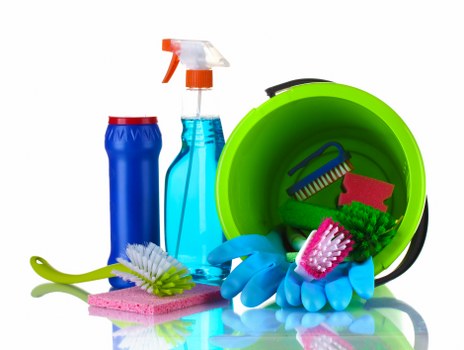
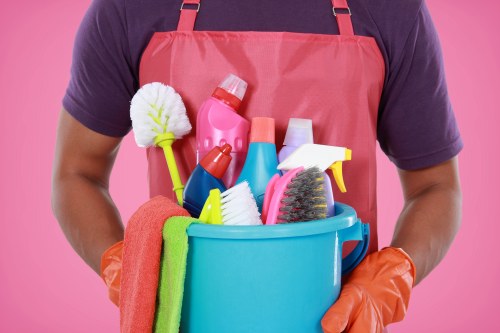
Using the right supplies makes deep cleaning in your home easier and more effective. While the exact tools you need may vary depending on the surfaces in your home, there are several essentials that are useful in most situations. Good supplies can save time and improve results.
Microfiber cloths are ideal because they trap dust and clean effectively without scratching most surfaces. A quality vacuum with attachments can help reach corners, upholstery, and baseboards. Scrub brushes, sponges, mop heads, and a multipurpose cleaner are also useful for tackling different materials and levels of grime.
For tougher jobs, such as grout, ovens, or soap scum, specialized cleaners may be needed. Always check product labels and use them safely. If you prefer a more eco-friendly approach, vinegar, baking soda, and mild dish soap can work well on many surfaces, though not all materials are suitable for these solutions.
Helpful supplies checklist
- Microfiber cloths
- Vacuum with attachments
- Mop and bucket
- Scrub brushes
- Sponges and cleaning pads
- Glass cleaner
- Degreaser
- Disinfectant or sanitizing cleaner
Deep Cleaning in Your Home Room by Room
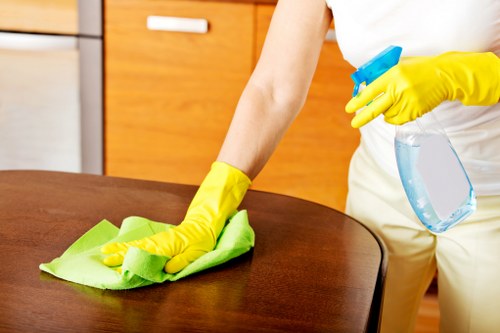
A room-by-room method makes deep cleaning in your home much easier to handle. Instead of jumping between spaces, focus on one room until it is fully complete. This approach helps you track progress and ensures nothing important gets overlooked.
In the kitchen, remove items from counters, wipe cabinet faces, clean appliance exteriors, and degrease the backsplash. Clean inside the microwave, scrub the sink, and clear crumbs from drawers and corners. If possible, move small appliances and clean behind them as well.
In the bathroom, focus on sinks, tubs, showers, mirrors, fixtures, grout, and the base of the toilet. Remove soap buildup and mineral deposits. In bedrooms, wash bedding, vacuum mattresses, dust blinds, and clean under the bed. In living spaces, vacuum furniture, clean vents, and dust electronics carefully.
Room-specific priorities
- Kitchen: Grease, food splatter, and appliance buildup
- Bathroom: Moisture, scale, and sanitary cleaning
- Bedroom: Dust, fabrics, and hidden storage areas
- Living room: Upholstery, decor, and dust collection points
Seasonal Deep Cleaning in Your Home
Many homeowners prefer to schedule deep cleaning in your home by season. This creates a natural rhythm for tackling areas that are affected by weather, indoor activity, and lifestyle changes. Spring and fall are especially popular times because they align with resets in household routines.
Spring deep cleaning often focuses on freshening the home after winter. This may include washing windows, clearing dust from vents, rotating mattresses, cleaning fans, and opening up spaces that have been closed for months. Fall cleaning may focus on preparing the home for more indoor time, with attention to kitchen surfaces, fabrics, and dust-prone areas.
Seasonal deep cleaning in your home can also be useful before holidays, after vacations, or when transitioning between school terms. These moments are ideal for resetting the house and restoring order. Timing your deep clean strategically can make maintenance much easier throughout the year.
Seasonal focus examples
- Spring: Windows, vents, fans, and decluttering
- Summer: Entryways, high-traffic floors, and mud buildup
- Fall: Fabrics, kitchen prep areas, and indoor freshness
- Winter: Dust control, air quality, and cozy living spaces
When Professional Deep Cleaning in Your Home Makes Sense
Some homeowners prefer to handle deep cleaning in your home themselves, while others choose professional services for convenience, speed, and expertise. Hiring a cleaning team can be especially helpful when time is limited, the home is large, or the cleaning needs are extensive.
Professional cleaners often bring commercial-grade tools, efficient systems, and experience with a wide range of surfaces. They know how to handle detailed work safely and can often complete tasks faster than an average homeowner. This is particularly useful after renovations, before moving in or out, or when preparing for an important event.
Professional deep cleaning in your home is also a strong option if you want a reset without the physical strain. Scrubbing tile, lifting furniture, and cleaning overhead surfaces can be demanding. If you need help getting your home back into excellent condition, book your service now and let trained professionals handle the toughest tasks.
How Often Should Deep Cleaning in Your Home Be Done?
The ideal schedule for deep cleaning in your home depends on lifestyle, household size, pets, allergies, and how much daily activity the home receives. A busy family home may need more frequent attention than a single-person apartment, while homes with children or pets often benefit from more regular deep cleans.
As a general rule, many homeowners schedule deep cleaning every three to six months. Others prefer to do certain tasks monthly and reserve full deep cleaning in your home for major seasonal refreshes. The key is consistency. A regular schedule prevents dirt from building up too far and keeps maintenance cleaning simpler.
If you notice odors, persistent dust, sticky surfaces, or a sense that your home never feels fully clean, that may be a sign that deep cleaning is overdue. In some cases, one thorough cleaning can make future maintenance much easier and more effective.
Signs it is time for a deep clean
- Visible buildup around fixtures or corners
- Lingering odors in kitchens or bathrooms
- Increased dust on surfaces shortly after cleaning
- Allergy symptoms that worsen indoors
- Clutter and grime in hidden areas
Tips to Maintain Results After Deep Cleaning in Your Home
Once deep cleaning in your home is complete, a few simple habits can help preserve the results. Daily maintenance does not need to be complicated. Small actions taken consistently can prevent buildup and keep your home feeling fresh for longer.
For example, wipe kitchen counters after cooking, rinse sinks regularly, and keep bathroom surfaces dry when possible. Vacuum high-traffic areas often, dust visible surfaces weekly, and address spills quickly before they become harder to remove. These habits reduce the need for constant heavy-duty cleaning.
Organization also plays a role. When items have designated places, surfaces stay clearer and dirt is easier to spot. Less clutter means less dust collection and simpler upkeep. This is one of the easiest ways to support the long-term results of deep cleaning in your home.
Maintenance habits that help
- Clean spills immediately
- Use mats at entry points
- Wipe sinks and counters daily
- Vacuum carpets and rugs weekly
- Keep surfaces clutter-free
- Refresh linens regularly
Common Mistakes to Avoid During Deep Cleaning in Your Home
Even with good intentions, it is easy to make mistakes during deep cleaning in your home. One common issue is trying to do too much at once. This can lead to fatigue and unfinished work. A structured plan is more effective and less stressful.
Another mistake is using the wrong cleaner for a surface. Some materials, such as natural stone, wood, and delicate finishes, require special care. Always test products when needed and read manufacturer recommendations. Using too much product can also leave residue behind, which may attract more dirt later.
Skipping hidden areas is another frequent problem. The real value of deep cleaning in your home often comes from the spaces that are not immediately visible. Behind furniture, beneath appliances, and along trim are all places where grime tends to collect over time.
Avoid these common errors
- Rushing through the process
- Using harsh products on sensitive surfaces
- Neglecting hidden spots
- Cleaning in the wrong order
- Failing to declutter first
Why Deep Cleaning in Your Home Is Worth the Effort
Deep cleaning in your home delivers value far beyond appearance. It supports better hygiene, easier maintenance, improved comfort, and a more peaceful atmosphere. A deeply cleaned home feels more inviting and can even make daily routines smoother because items and surfaces are easier to manage.
There is also a practical advantage. When grime, dust, and buildup are removed on a regular basis, surfaces tend to last longer and stay in better condition. That can help protect fixtures, flooring, appliances, and furnishings over time. In other words, deep cleaning in your home is both a quality-of-life decision and a smart maintenance habit.
Whether you clean it yourself or hire professionals, the goal is the same: create a healthier, more comfortable space that supports your lifestyle. If your home is overdue for a reset, now is the time to act. Contact us today and take the first step toward a cleaner, fresher home environment.
Conclusion: Deep cleaning in your home is one of the most effective ways to refresh your living space, improve hygiene, and reduce hidden buildup that routine cleaning often misses. With the right plan, supplies, and timing, you can transform your home into a cleaner, healthier, and more enjoyable place to live. Whether you tackle it yourself or choose professional help, consistent deep cleaning in your home pays off in comfort, cleanliness, and long-term upkeep.