Office Cleaning in Modern Workspaces: A Practical Approach to Health, Productivity, and Professional Impressions
Office cleaning is more than a routine chore. It is a vital part of maintaining a productive, healthy, and welcoming workplace. Whether you manage a small startup, a growing corporate team, or a multi-floor business environment, office cleaning plays a direct role in how employees feel, how clients perceive your brand, and how smoothly daily operations run. In today’s competitive environment, businesses cannot afford to overlook the importance of clean workspaces, sanitized surfaces, and well-maintained shared areas.
A clean office supports better focus, reduces the spread of germs, and creates a more polished image for visitors and employees alike. From reception desks and meeting rooms to break rooms and restrooms, every area benefits from a thoughtful office cleaning routine. When done well, office cleaning helps organizations protect their assets, improve morale, and reinforce a culture of professionalism.
As businesses continue to prioritize workplace wellness, the demand for reliable office cleaning services has increased. Companies now recognize that cleanliness is connected to employee satisfaction, customer trust, and even long-term operational efficiency. Office cleaning in the modern workplace is not just about appearance; it is about creating an environment where people can do their best work.
Why Office Cleaning Matters for Every Business

Office cleaning affects nearly every aspect of a business environment. A tidy office can make employees feel more comfortable, reduce distractions, and support better concentration throughout the day. Dirty desks, overflowing bins, dusty vents, and unclean restrooms can quickly create an atmosphere that feels disorganized and unprofessional. That kind of environment may also affect client confidence and employee retention.
One of the most important reasons to invest in office cleaning is hygiene. Offices are high-touch environments with shared keyboards, door handles, elevator buttons, conference tables, printers, and kitchen appliances. Without regular cleaning and disinfection, these surfaces can become breeding grounds for bacteria and viruses. A structured office cleaning plan helps reduce health risks and keeps the workplace safer for everyone.
Another major benefit is productivity. Studies and workplace observations often show that cleaner environments help people stay more focused and engaged. When employees do not need to worry about clutter or unpleasant smells, they can concentrate on tasks instead of distractions. In this way, office cleaning becomes an operational advantage rather than just a maintenance expense.
Core Areas That Need Office Cleaning Attention

Office cleaning should cover every space that employees, clients, or visitors use on a regular basis. Different zones in a workplace require different cleaning methods, schedules, and products. A one-size-fits-all approach rarely delivers the best results, especially in larger offices or high-traffic environments.
Some of the most important office cleaning areas include:
- Reception areas: Front desks, seating areas, glass surfaces, and entry doors.
- Workstations: Desks, monitors, keyboards, phones, and desk accessories.
- Meeting rooms: Tables, chairs, whiteboards, remotes, and shared technology.
- Break rooms: Sinks, counters, refrigerators, microwaves, coffee stations, and dining surfaces.
- Restrooms: Toilets, sinks, mirrors, dispensers, floors, and high-touch fixtures.
- Floors: Carpets, tiles, vinyl, hardwood, and entry mats.
- Common areas: Hallways, staircases, elevators, and shared lounges.
Each of these areas contributes to the overall impression of the office. A spotless reception area can make a strong first impression, while a clean break room supports employee comfort and hygiene. By addressing every zone consistently, office cleaning helps maintain a balanced and professional workplace from front to back.
Office Cleaning and Workplace Health
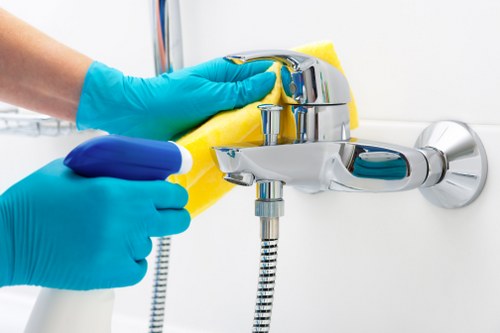
Health and cleanliness are closely connected. In office environments, people share air, surfaces, and equipment throughout the day. This increases the chance of germs spreading, especially during cold and flu season or in buildings with limited ventilation. Effective office cleaning reduces these risks by removing dirt, disinfecting touchpoints, and supporting better air quality.
Regular dusting and vacuuming also help control allergens such as dust mites, pollen, and pet dander that may be carried into the office on clothing or shoes. For employees with sensitivities, poor indoor air quality can lead to discomfort, headaches, and reduced performance. Professional office cleaning can make a noticeable difference in the overall feel of the workspace.
In addition, restrooms and kitchens require special care because they are prone to moisture and bacteria buildup. These spaces need frequent sanitation to prevent odors and maintain healthy conditions. Consistent office cleaning in these areas supports better workplace hygiene and reinforces a stronger culture of care.
How Office Cleaning Supports Productivity

A clean office does more than look good. It helps teams work better. Clutter can interrupt concentration, create unnecessary stress, and slow down daily tasks. When desks, meeting spaces, and shared rooms are clean and organized, employees can move through their workday with fewer distractions. That improved focus often translates into better performance and smoother collaboration.
Office cleaning also helps employees spend less time dealing with avoidable issues. For example, when shared printers are dust-free, kitchen areas are tidy, and floors are free from debris, staff can transition between tasks more efficiently. A well-maintained environment reduces friction and helps people stay in a more productive mindset.
There is also a psychological benefit. Clean workplaces often feel more energizing and less overwhelming. Employees may take more pride in their surroundings and, in turn, feel more motivated to keep their own spaces orderly. This creates a positive cycle that supports a healthier workplace culture overall.
Professional Office Cleaning vs. In-House Cleaning
Many businesses wonder whether office cleaning should be handled internally or outsourced to professionals. The answer depends on budget, facility size, cleaning expectations, and the level of consistency required. In-house cleaning may work for very small offices, but larger or busier workplaces often benefit from professional office cleaning services.
Professional cleaners bring expertise, efficient systems, and specialized equipment. They understand how to clean a variety of surfaces properly, which products to use safely, and how to maintain hygiene standards without disrupting operations. This can be especially valuable for offices with sensitive equipment, client-facing areas, or strict health requirements.
In-house cleaning teams can offer flexibility and immediate response, but they may lack the tools, training, or time needed to keep up with deeper cleaning tasks. A hybrid approach is also common, where office staff handle light maintenance while scheduled professionals manage detailed cleaning, disinfection, and periodic deep cleaning.
What to Expect from a Quality Office Cleaning Service
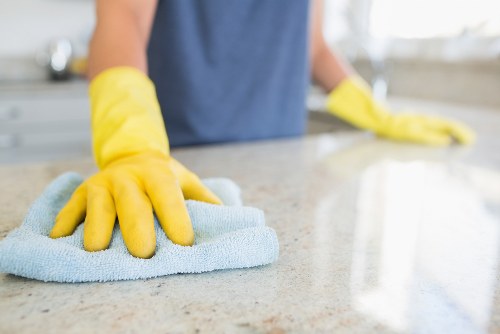
A reliable office cleaning service should provide more than basic dusting and waste removal. It should offer a structured approach that keeps the office consistently presentable and sanitary. The best providers understand that each workplace has unique needs and adapt their cleaning routines accordingly.
Typical services may include:
- Dusting desks, shelves, ledges, and fixtures.
- Vacuuming carpets and sweeping hard floors.
- Mopping and disinfecting tile, vinyl, or laminate surfaces.
- Cleaning and sanitizing restrooms.
- Wiping down tables, counters, and common-touch surfaces.
- Emptying bins and replacing liners.
- Cleaning glass, mirrors, and interior doors.
- Maintaining kitchen and break room areas.
- Spot-cleaning walls, baseboards, and high-traffic touchpoints.
- Performing periodic deep cleaning tasks as needed.
When evaluating office cleaning options, businesses should look for consistency, attention to detail, and a clear understanding of workplace priorities. A quality service should not only make the office look clean but also support long-term cleanliness and hygiene.
Customizing Office Cleaning for Different Workplace Types
Not all offices need the same cleaning plan. A legal office, a tech company, a medical practice, and a coworking space each have different needs. That is why tailored office cleaning is so important. The right schedule and cleaning checklist should reflect traffic levels, industry standards, building layout, and employee habits.
For example, a high-volume customer service center may need frequent cleaning of desks, phones, and shared equipment, while a smaller design studio may prioritize dust control, floor care, and client meeting areas. Offices that host frequent visitors may require more attention to reception spaces and conference rooms. Meanwhile, businesses with kitchens or wellness rooms may need extra sanitation in shared amenities.
Tailoring office cleaning to the specific environment ensures better results and better value. Instead of paying for unnecessary services or missing important areas, businesses can create a cleaning plan that matches real-world needs. This flexibility makes office cleaning more effective and more cost-efficient.
Factors That Influence Cleaning Frequency
Several factors can determine how often office cleaning should take place. These include:
- Employee count: More staff usually means more mess and more frequent cleaning.
- Visitor traffic: Client-facing offices may need more frequent attention.
- Office layout: Open-plan spaces often accumulate dust and debris faster.
- Industry requirements: Some sectors demand higher sanitation standards.
- Seasonal conditions: Wet weather, pollen, and flu season can increase cleaning needs.
By reviewing these factors regularly, businesses can adjust office cleaning schedules and maintain a consistently clean environment.
Deep Cleaning and Routine Cleaning: Why Both Matter
Routine office cleaning keeps the workspace presentable day to day, but deep cleaning addresses buildup that regular maintenance may miss. Both are essential for a complete cleaning strategy. Routine tasks focus on visible cleanliness and sanitation, while deep cleaning reaches into less obvious areas where dust, grime, and germs can accumulate over time.
Deep office cleaning may include tasks such as shampooing carpets, cleaning behind furniture, sanitizing vents, washing interior windows, detailing baseboards, and removing stubborn marks from walls or doors. These services are especially useful during seasonal transitions, before special events, or after periods of heavy office use.
Combining routine and deep office cleaning creates a stronger long-term result. The workspace remains neat on a daily basis, while periodic deeper cleaning helps preserve surfaces, improve air quality, and extend the life of office furnishings and flooring.
Office Cleaning Supplies and Equipment Matter
The products and tools used in office cleaning make a big difference in quality and safety. Effective cleaning requires more than a cloth and spray bottle. Different materials need different treatments, and using the wrong product can damage surfaces or leave behind residue. This is one reason why trained office cleaning professionals often achieve better results than untrained staff.
Common tools and supplies may include microfiber cloths, HEPA-filter vacuums, disinfectants, floor care machines, mop systems, glass cleaners, and eco-friendly solutions. Microfiber, for instance, is effective at trapping dust and reducing streaks. HEPA vacuums are useful in offices where air quality is a concern. Green cleaning products may be preferred by businesses that want to reduce harsh chemical exposure.
Choosing the right supplies also supports sustainability and cost control. Concentrated products, refill systems, and reusable tools can lower waste over time. Modern office cleaning is increasingly focused on efficiency, hygiene, and responsible product use.
Eco-Friendly Cleaning in Offices
Many businesses now prioritize environmentally conscious office cleaning. This approach may include:
- Using biodegradable or low-toxicity products.
- Reducing single-use cleaning materials.
- Choosing energy-efficient equipment.
- Conserving water during floor care.
- Improving waste sorting and recycling practices.
Eco-friendly office cleaning appeals to organizations that want to support employee wellbeing while also reflecting modern sustainability values.
Best Practices for Maintaining a Clean Office Between Service Visits
Even with scheduled office cleaning, daily habits matter. Staff can help maintain a tidy workplace by practicing simple routines that prevent clutter and reduce mess. These small actions keep the office looking better between professional cleaning sessions and support a more orderly culture.
Helpful habits include wiping up spills quickly, keeping personal workstations organized, returning shared items to their proper places, and disposing of food waste promptly. Offices can also make cleanliness easier by providing enough bins, sanitizing wipes, and clearly labeled storage areas. A little structure goes a long way.
Managers can reinforce these habits by setting clear expectations and leading by example. When teams understand that office cleaning is a shared responsibility, the workplace tends to stay in better condition overall. This also helps professional cleaners focus on deeper and more specialized tasks rather than constant surface-level issues.
How Office Cleaning Shapes Client Perception
First impressions matter, especially when clients or partners visit your workplace. A spotless office communicates care, attention to detail, and professionalism before a single word is spoken. On the other hand, dusty furniture, dirty floors, and unpleasant odors may send the wrong message about how a business operates.
Reception areas, conference rooms, and restrooms are particularly important in shaping perceptions. These spaces are often the first and last areas visitors notice. If they are clean and well-maintained, clients are more likely to feel comfortable and confident in the business they are visiting. Office cleaning therefore contributes directly to brand reputation.
For many companies, maintaining a polished office environment is part of their competitive edge. A clean office does not guarantee success, but it does support a positive image that can influence trust, credibility, and long-term relationships.
Office Cleaning and Brand Image
Office cleaning supports brand image in subtle but powerful ways:
- It shows that the company values professionalism.
- It helps build trust with new visitors.
- It creates a more pleasant environment for meetings and presentations.
- It reflects organizational discipline and care.
These factors may seem small individually, but together they create a lasting impression.
Choosing the Right Office Cleaning Schedule
The ideal office cleaning schedule depends on usage, layout, and expectations. Some offices need daily cleaning, while others can function well with several service visits per week. The key is consistency. A predictable office cleaning plan ensures that the workplace never slips too far behind in hygiene or appearance.
A practical schedule might include daily trash removal, restroom cleaning, and surface wiping, with weekly floor care and monthly deep cleaning tasks. High-traffic offices may need more frequent maintenance, especially in common areas and restrooms. Seasonal reviews can help businesses refine the schedule as needs change.
Office cleaning is most effective when it is proactive, not reactive. Waiting until an office looks messy often means hygiene issues have already developed. Regular scheduling helps prevent problems before they become costly or disruptive.
Common Office Cleaning Mistakes to Avoid
Even well-intentioned businesses sometimes make mistakes that reduce the effectiveness of office cleaning. One common issue is inconsistency. Cleaning only when a space looks dirty can lead to buildup that becomes harder to manage over time. Another mistake is overlooking high-touch points such as light switches, handles, and shared devices.
Using the wrong products on delicate surfaces is another concern. Some materials require careful care to avoid scratches, fading, or staining. Likewise, ignoring ventilation, carpets, or hidden dust buildup can impact air quality and comfort. A smart office cleaning plan should address both visible and hidden problem areas.
Businesses should also avoid treating cleaning as an afterthought. When office cleaning is built into the regular rhythm of operations, it becomes easier to maintain high standards without unnecessary stress or last-minute fixes.
Simple Ways to Improve Office Cleanliness
Small adjustments can make a big difference in how clean an office feels from day to day:
- Encourage desk decluttering at the end of each workday.
- Place sanitizing supplies in accessible locations.
- Assign responsibility for shared spaces.
- Review cleaning priorities with staff regularly.
- Schedule periodic inspections of high-traffic areas.
Why consistency wins
When office cleaning is consistent, the office stays easier to manage, easier to sanitize, and more pleasant to use. Over time, this helps create a workplace that feels organized, professional, and ready for business every day.
Final Thoughts on Office Cleaning
Office cleaning is one of the simplest yet most powerful investments a business can make. It supports health, improves productivity, strengthens client impressions, and creates a more comfortable space for everyone who enters the building. In a world where workplace standards continue to evolve, cleanliness is no longer optional. It is part of what defines a modern, responsible organization.
From daily upkeep to deep cleaning and customized sanitation plans, office cleaning should be treated as an essential part of workplace management. The right approach helps businesses protect their teams, preserve their facilities, and present themselves with confidence. When cleanliness becomes a priority, the entire office benefits.
If your workplace is ready for a higher standard of hygiene and presentation, contact us today to explore your office cleaning options or book your service now to keep your workspace looking its best.