Regular Cleaning in Daily Life: Why It Matters, How It Works, and What You Gain
Why Regular Cleaning Matters More Than You Think

Regular cleaning is one of those habits that quietly shapes the quality of everyday life. Whether at home, in an office, or in a commercial setting, consistent cleaning keeps spaces more comfortable, more functional, and more welcoming. It is not only about appearance; it is also about protecting health, reducing stress, and preserving the value of your environment.
Many people think of cleaning as a once-in-a-while chore, but regular cleaning creates a lasting difference. Dust, grime, and clutter build up quickly when maintenance is delayed. Over time, even small neglect can lead to bigger problems, including stains, odors, poor indoor air quality, and wear on surfaces. A steady routine prevents those issues before they become expensive or overwhelming.
In today’s fast-paced world, it is easy to let cleaning fall behind. Yet a clean environment influences mood, productivity, and even how guests or customers perceive a space. That is why regular cleaning should be seen as an essential part of responsible property care, not just an optional task.
The Everyday Benefits of Regular Cleaning
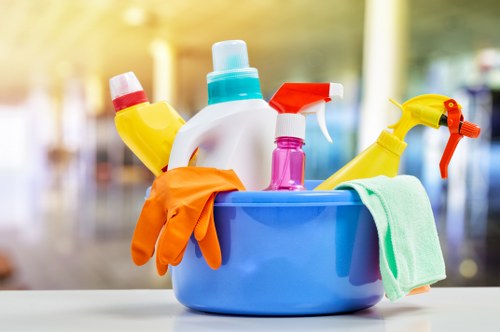
One of the biggest advantages of regular cleaning is the immediate sense of order it creates. Clean surfaces, organized rooms, and fresh air make spaces feel calmer and more manageable. That feeling has practical value too, because people tend to work faster and relax more easily in tidy surroundings.
There are also clear health-related benefits. Dust, pet dander, pollen, bacteria, and mold spores can accumulate in carpets, vents, and hidden corners. Routine cleaning helps reduce these irritants, making the environment healthier for children, adults, employees, and visitors. For households with allergy sufferers, regular cleaning can make an especially noticeable difference.
Another major benefit is preservation. Floors, furniture, appliances, and fixtures last longer when they are cleaned consistently. Dirt and buildup can wear down finishes, clog mechanical parts, and cause surfaces to deteriorate faster. In this way, regular cleaning supports both hygiene and long-term savings.
Regular Cleaning at Home: A Practical Habit That Pays Off

At home, regular cleaning helps every room function better. Kitchens stay safer when counters, sinks, and appliances are wiped frequently. Bathrooms remain fresher when moisture, soap scum, and residue are handled before they spread. Living areas feel more inviting when dust, crumbs, and clutter are cleared on a steady schedule.
A smart home cleaning routine does not need to be complicated. In fact, the most effective approach is usually simple and repeatable. Daily upkeep, weekly tasks, and monthly deep-cleaning sessions create a balanced system that keeps the house under control without turning cleaning into an all-day event.
For many families, regular cleaning also improves household routines. When every item has a place and surfaces are reset each day, it becomes easier to find things, prepare meals, and move through the home without frustration. This kind of routine is especially valuable in busy homes where multiple people use the same spaces.
How Regular Cleaning Supports Better Health and Hygiene
Health is one of the strongest reasons to prioritize regular cleaning. Germs can spread quickly on high-touch surfaces such as door handles, light switches, counters, keyboards, and faucets. Frequent wiping and sanitizing help reduce the risk of cross-contamination and support a cleaner living or working environment.
Bathrooms and kitchens deserve special attention because they are naturally exposed to moisture, food particles, and daily traffic. Regular cleaning in these spaces helps prevent bacteria growth, unpleasant odors, and the buildup of stubborn residues. A consistent routine also reduces the chance of pests, which are often drawn to crumbs, spills, and neglected areas.
Beyond surface cleanliness, regular cleaning supports better air quality. Dusting, vacuuming, and changing filters can reduce airborne particles that trigger sneezing, coughing, or general discomfort. For people with asthma or allergies, this can be one of the most important benefits of maintaining a well-kept space.
Cleaning Routines That Make Life Easier

Creating a routine is the key to successful regular cleaning. Instead of waiting until a space looks messy, it helps to break tasks into manageable parts. A few minutes of attention each day can prevent hours of effort later. This method is especially useful for people who want a cleaner environment without feeling overwhelmed.
Simple habits can make a big difference. Wiping down kitchen surfaces after use, putting items back in their proper place, sweeping entryways, and clearing bathroom sinks are all small actions that support a cleaner home. When these actions are repeated consistently, they become part of daily life rather than extra work.
To stay organized, many people use a schedule that separates tasks by frequency. Daily tasks might include dishes, countertops, and clutter control. Weekly tasks might include floors, bathrooms, and bedding. Monthly tasks might include vents, baseboards, and storage areas. This structure turns regular cleaning into a predictable routine that is easier to follow.
Daily, weekly, and monthly focus areas
- Daily: wipe surfaces, do dishes, tidy visible clutter, and manage trash.
- Weekly: vacuum, mop, clean bathrooms, and change linens.
- Monthly: dust hard-to-reach areas, clean appliances, and organize storage spaces.
Regular Cleaning in Offices and Workplaces

Workplaces benefit enormously from regular cleaning. A clean office is not just visually appealing; it also helps employees stay focused, reduces distractions, and creates a professional atmosphere. Clients and visitors often form first impressions within seconds, and the cleanliness of the environment plays a big role in that impression.
Desks, meeting rooms, shared kitchens, restrooms, and reception areas all require consistent care. High-traffic workspaces can collect dust and germs quickly, especially in places where many people share equipment or surfaces. Regular cleaning supports productivity because employees are more comfortable and less likely to lose time dealing with clutter or unpleasant conditions.
In addition, professional environments often rely on regular cleaning to protect assets. Carpets, upholstery, electronics, and flooring can all suffer when dust and spills are ignored. A structured maintenance plan helps preserve the workplace, reduce repair costs, and create a space that reflects quality and attention to detail.
Why Regular Cleaning Improves Productivity
There is a strong connection between cleanliness and performance. A tidy environment makes it easier to concentrate because the mind is not constantly distracted by visual clutter. When people can locate tools, documents, or household items quickly, they spend less time searching and more time getting things done.
Regular cleaning also reduces the mental load that comes with disorganization. Messy spaces often create low-level stress, even if people do not always notice it immediately. A clean room can feel lighter, calmer, and more energizing, which helps support better decision-making and smoother routines.
For families, this can mean fewer arguments about lost items or unfinished chores. For businesses, it can mean better workflow and stronger morale. In both settings, regular cleaning becomes a practical productivity tool rather than just a maintenance task.
How clean spaces support better focus
- They reduce visual distractions.
- They make tools and supplies easier to find.
- They create a calmer atmosphere.
- They support smoother routines and fewer interruptions.
The Long-Term Value of Consistent Cleaning
One of the smartest reasons to prioritize regular cleaning is the long-term value it creates. Surfaces that are maintained consistently usually last longer and require fewer major repairs. Dirt, moisture, and buildup can be surprisingly damaging over time, especially when they are allowed to settle into carpets, grout, wood, or fabric.
For property owners, this means regular cleaning helps protect investments. A well-maintained home or commercial property often looks more attractive and holds up better in the long run. Even simple actions like dusting furniture, cleaning vents, and caring for floors can have a noticeable impact over time.
Long-term value also applies to peace of mind. When cleaning is done regularly, there is less pressure to scramble before guests arrive, before inspections, or before busy periods. This creates a smoother, more manageable lifestyle and reduces the feeling that cleaning is always piling up.
Common Cleaning Mistakes to Avoid
Even with good intentions, some cleaning habits can reduce the effectiveness of regular cleaning. One common mistake is waiting too long between tasks. When dirt and grease sit for too long, they become harder to remove and may require stronger products or more effort.
Another mistake is using the wrong method for the surface. Harsh chemicals or abrasive tools can damage delicate finishes, while the wrong cloth or sponge may spread residue instead of removing it. Reading labels and choosing appropriate products helps ensure that regular cleaning is both safe and effective.
A third issue is inconsistency. A space may look clean after one major effort, but without a routine, the results do not last. The most successful approach to regular cleaning is consistency, not occasional intensity.
Helpful reminders for better cleaning results
- Do not skip high-touch areas.
- Use the right cleaner for the right surface.
- Do not let spills sit too long.
- Stay consistent with the schedule.
Choosing the Right Cleaning Approach for Your Space
Every space has unique cleaning needs, so regular cleaning should be tailored to the setting. A small apartment, a family home, a retail shop, and a busy office all have different traffic levels, surface types, and hygiene expectations. The best cleaning plan is one that matches actual use rather than relying on a one-size-fits-all approach.
Consider the materials in the space. Hardwood floors, tile, carpet, stainless steel, upholstery, and glass each require specific care. Regular cleaning works best when the process protects these materials instead of wearing them down. The same is true for cleaning tools; using microfiber cloths, vacuum attachments, and appropriate mops can improve results significantly.
It is also important to think about timing. Some tasks are best done early in the morning, while others fit better after business hours or after children are asleep. Aligning regular cleaning with daily routines makes it easier to stay consistent and less disruptive to the people using the space.
Making Regular Cleaning Easier to Maintain
Sticking with regular cleaning is much easier when the process feels realistic. One useful strategy is to keep supplies accessible. If cleaners, cloths, and tools are stored where they are needed, it becomes easier to act quickly when a mess appears. Convenience often determines whether a task gets done right away or postponed.
Another helpful method is to use small time blocks. Ten minutes of focused effort can accomplish more than people expect, especially if the goal is to handle one area at a time. Short, consistent sessions often lead to better results than infrequent marathon cleaning days.
It also helps to make cleaning visible. Checklists, calendars, and reminders keep tasks from being forgotten. This is especially useful in shared homes or workplaces where more than one person is responsible for maintaining the space. When everyone understands the routine, regular cleaning becomes easier to sustain.
Simple motivation tips
- Start with the area that bothers you most.
- Pair cleaning with another daily habit.
- Celebrate finished spaces, not just finished tasks.
- Keep cleaning tools easy to reach.
Professional Help and When It Makes Sense
Sometimes regular cleaning is easier to maintain with outside support. Busy households, large offices, and high-traffic properties may benefit from professional cleaning services that handle routine maintenance, deep cleaning, or specialized tasks. This can free up time while ensuring important areas receive proper attention.
Professional support is also helpful when the cleaning workload becomes too large for in-house schedules. Seasonal cleaning, post-event cleanup, and intensive floor or upholstery care may require tools and expertise that go beyond standard household supplies. In these cases, outside help can complement your regular cleaning routine rather than replace it.
If you are trying to keep a home or workplace consistently clean without adding stress to your schedule, it may be the right time to Contact us today and discuss the best option for your space. When handled well, regular cleaning becomes much more manageable and much more effective.
Conclusion: Regular Cleaning Is a Small Habit with a Big Impact
Regular cleaning is one of the simplest ways to improve daily life, protect health, and preserve the spaces people use every day. It supports comfort, reduces stress, improves appearance, and helps prevent bigger maintenance problems from developing over time. Whether at home or at work, a clean environment creates a better experience for everyone.
The real power of regular cleaning comes from consistency. Small actions repeated often are far more effective than waiting for messes to build up. That is why a realistic routine, the right tools, and a commitment to ongoing care matter so much. Clean spaces are not just nicer to look at; they are easier to live and work in.
If your space could benefit from better upkeep, now is a great time to take the next step. Book your service now or create a simple cleaning routine that works for your schedule. A cleaner environment is not just possible—it is practical, sustainable, and worth maintaining.