Communal Area Cleaning: Creating Safer, Healthier, and More Welcoming Shared Spaces
Communal area cleaning is one of the most important services for keeping shared environments tidy, hygienic, and comfortable for everyone who uses them. Whether it is a residential block, apartment complex, office building, school, or mixed-use property, the condition of communal areas shapes how people experience the entire space. Clean hallways, polished floors, sanitized touchpoints, and fresh-smelling entrances do more than improve appearance; they support health, safety, and property value.
In busy shared buildings, dirt builds up quickly. Foot traffic brings in dust, mud, allergens, and debris. Lifts, stairwells, mailrooms, reception areas, and corridors can become high-contact zones that require regular attention. Effective communal area cleaning helps prevent grime from accumulating, reduces the spread of germs, and creates a better first impression for residents, visitors, and staff alike.
For property managers, landlords, housing associations, and business owners, maintaining communal spaces is not just a cosmetic task. It is a responsibility that supports comfort, compliance, and long-term asset care. With the right cleaning routine, shared areas remain welcoming and well maintained throughout the year.
What Communal Area Cleaning Includes
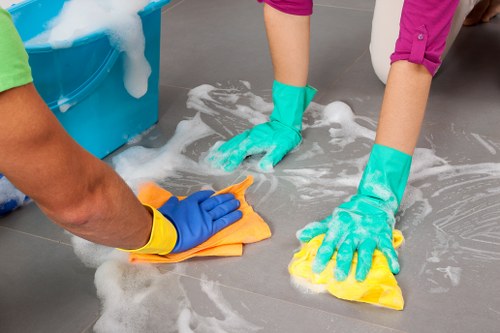
Communal area cleaning refers to the routine cleaning and upkeep of shared parts of a property that are used by multiple people. These areas may vary depending on the building type, but they usually include entrances, corridors, staircases, lift interiors, lobbies, shared kitchens, reception areas, and washrooms. In residential settings, communal area cleaning often extends to bin stores, laundry rooms, and shared hallways.
The purpose of communal area cleaning is to keep these shared spaces safe, presentable, and hygienic. Because they receive frequent use, they often need more attention than private rooms. A professional approach ensures that each area is cleaned on a schedule that matches its traffic level and purpose.
Typical tasks may include vacuuming carpets, mopping hard floors, dusting handrails, wiping down door handles, cleaning glass surfaces, removing litter, and sanitizing high-touch points. Depending on the contract, communal area cleaning can also involve spot-cleaning walls, polishing fixtures, and reporting maintenance issues.
Why Communal Area Cleaning Matters
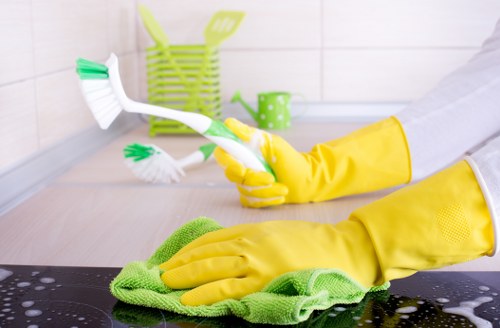
Shared spaces are the first thing people notice when entering a building. A clean and well-kept communal area sends a strong message about care, professionalism, and respect for occupants. On the other hand, neglected hallways, dirty corners, and unpleasant odors can quickly make a property feel uninviting, even if individual units or offices are spotless.
There are also important health and safety benefits. Regular communal area cleaning helps reduce the spread of bacteria, viruses, and allergens, especially in high-traffic environments. Dust, spills, and debris can create slip hazards or trigger respiratory issues. Keeping these areas clean reduces risks and supports a healthier shared environment.
Another key benefit is long-term maintenance. Dirt and stains can cause surfaces to deteriorate faster when left untreated. By investing in regular communal area cleaning, property owners can protect flooring, fixtures, and fittings from unnecessary wear, saving money over time and preserving the building’s overall condition.
Core Areas That Need Regular Attention
Entrances and Lobbies
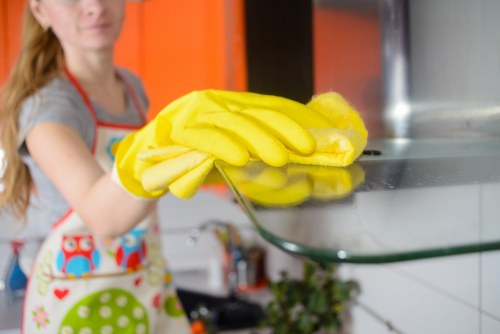
Entrances and lobbies create the first impression of any property, which is why communal area cleaning should begin here. These spaces often collect dirt from shoes, fingerprints on doors, and dust on surfaces. They should be cleaned frequently to maintain a polished and inviting appearance.
Key tasks in entrances and lobbies include:
- Sweeping and mopping floors
- Cleaning glass doors and windows
- Dusting ledges, skirting boards, and furniture
- Sanitizing reception counters and touchpoints
- Removing litter and debris
These small but consistent actions help communal area cleaning deliver a strong visual impact right from the moment someone walks in.
Stairwells and Corridors
Stairwells and corridors are often overlooked, yet they are among the busiest parts of many buildings. They require regular sweeping, vacuuming, and wiping to keep them free from dirt and hazards. Handrails and light switches are high-touch surfaces and should be disinfected routinely as part of a reliable communal area cleaning plan.
Cleaning Methods That Deliver Better Results
Successful communal area cleaning depends on using the right methods for each surface and space. A one-size-fits-all approach rarely works, because shared buildings often contain a mix of flooring materials, finishes, and occupancy patterns. Professional cleaners usually assess the property first and then apply tailored techniques to achieve the best result.
For example, hard floors may need damp mopping with suitable products to remove grime without leaving residue. Carpets may need vacuuming and periodic deep cleaning to remove embedded dirt. Glass and reflective surfaces benefit from streak-free cleaning solutions, while delicate materials may require gentler methods to prevent damage.
Attention to detail is essential in communal area cleaning. It is not enough to clean only the visible surface. Cleaners should also address corners, under furniture, behind doors, and other areas where dust and debris tend to collect. A thorough service helps prevent buildup and keeps the area looking consistently maintained.
High-Contact Surfaces
Touchpoints deserve special focus because they are frequently handled and can easily spread germs. These include:
- Door handles
- Lift buttons
- Intercom panels
- Handrails
- Light switches
- Shared tables and counters
Regular disinfection of these surfaces is a vital part of communal area cleaning, particularly in busy residential and commercial properties.
How Often Should Communal Area Cleaning Be Carried Out?
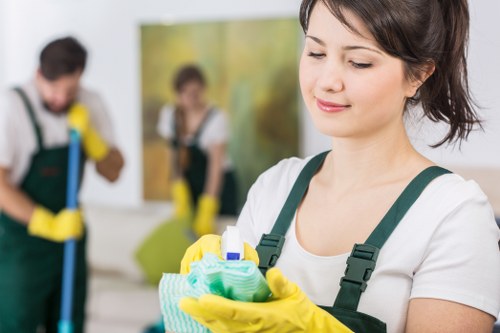
The ideal cleaning frequency depends on the type of property, the number of users, and the level of traffic in the shared spaces. A small residential block may require cleaning a few times a week, while a busy office or apartment building could need daily service. High-use sites may even require multiple visits per day for certain areas.
As a general rule, communal area cleaning should be frequent enough to prevent dirt from becoming visible or unhygienic. If the floors are becoming dusty by midday, or if bins are overflowing before the next collection, the schedule likely needs adjustment. Regular inspections can help determine whether the current routine is sufficient.
Seasonal changes also affect cleaning frequency. Rain, snow, and mud often increase dirt levels in autumn and winter, while pollen and outdoor dust can become more noticeable in spring and summer. A flexible communal area cleaning schedule allows property managers to respond to these changes effectively.
Factors That Influence Frequency
- Volume of foot traffic
- Size of the building
- Type of flooring and finishes
- Presence of children, pets, or visitors
- Seasonal weather conditions
- Specific hygiene requirements
Communal Area Cleaning in Residential Properties
In residential buildings, communal area cleaning plays a major role in residents’ daily comfort. Hallways, staircases, bin stores, and entryways are shared by everyone, so they need to remain tidy and hygienic. Clean communal areas also help reduce disputes, complaints, and frustration among residents, because shared standards are easier to maintain when the environment is consistently cared for.
Property managers often rely on scheduled cleaning visits to keep these spaces in order. This may involve sweeping and mopping floors, emptying bins, polishing handrails, cleaning entrance mats, and removing marks from walls or doors. In buildings with lifts, the lift interior should be wiped and disinfected regularly as part of the communal area cleaning routine.
Residential communal area cleaning also supports property value. Clean hallways and well-maintained shared spaces help a building feel more desirable to current and prospective occupants. When residents see that the communal area is being looked after, they are more likely to respect it and keep it tidy themselves.
Residential benefits include:
- Improved hygiene in shared spaces
- Better resident satisfaction
- Reduced wear and tear on fixtures
- Cleaner presentation for visitors and contractors
- Fewer complaints about odors, litter, and dust
Communal Area Cleaning in Commercial Buildings

In commercial properties, shared areas often reflect the professionalism of the business operating within them. Reception zones, corridors, staircases, break rooms, and visitor areas should all be maintained to a high standard. A clean communal area cleaning program helps create a productive and welcoming atmosphere for employees, clients, and partners.
Office buildings, in particular, require consistent attention because employees and visitors use the same spaces every day. Dirt builds up quickly in foyers, lift lobbies, and shared facilities. Regular cleaning helps reduce the spread of germs, protects workplace hygiene, and supports a positive image.
Commercial communal area cleaning may also need to align with business hours. Many properties choose early morning, evening, or weekend cleaning to avoid disruption. This flexibility ensures shared areas remain clean without interfering with daily operations.
Common commercial tasks include:
- Cleaning and disinfecting reception spaces
- Vacuuming carpets and runners
- Polishing floors and fixtures
- Cleaning glass partitions and doors
- Emptying waste bins and recycling containers
- Maintaining shared kitchen and restroom areas
Health, Hygiene, and Safety Benefits
One of the strongest reasons to prioritize communal area cleaning is the direct impact on health and safety. Shared environments can become breeding grounds for germs if they are not cleaned properly. This is especially true in buildings where many people pass through the same entrance, press the same buttons, and use the same handrails.
Regular cleaning and disinfection help lower the risk of illness spread. This is particularly important in flu season or during periods when respiratory infections are more common. Dust removal also improves indoor air quality, which benefits people with allergies, asthma, or sensitivity to airborne particles.
Safety is another major consideration. Spills, loose litter, and clutter can create trip or slip hazards. Well-managed communal area cleaning reduces these risks by keeping floors clear, dry, and easy to navigate. Bright, clean, and orderly spaces also support visibility, which can help prevent accidents in stairwells and corridors.
Safety-focused practices in communal area cleaning include:
- Immediate spill response
- Drying floors properly after mopping
- Keeping walkways free of obstruction
- Using appropriate warning signs when needed
- Checking that mats, rails, and fixtures remain secure
Common Challenges in Communal Area Cleaning
Shared spaces come with unique cleaning challenges. Because many people use them, dirt returns quickly. One of the biggest difficulties is maintaining consistency. A space may look clean immediately after service, but without a reliable schedule, it can deteriorate fast.
Another challenge is dealing with mixed surfaces and materials. A communal area may include carpets, polished stone, painted walls, glass, and stainless steel. Each requires different care. Using the wrong cleaning product or tool could damage the surface or leave residue behind. This is why experience matters in communal area cleaning.
There is also the issue of coordination. In occupied buildings, cleaners often need to work around residents, employees, or visitors. That means communication, timing, and discretion matter. Cleaners must be efficient while remaining respectful of the people using the space.
Other challenges may include:
- Heavy foot traffic during peak times
- Weather-related dirt and moisture
- Improper waste disposal
- Vandalism or misuse of shared spaces
- Maintenance issues that require reporting
When these challenges are managed well, communal area cleaning becomes much more effective and reliable.
What Makes a Professional Communal Area Cleaning Service Valuable?
A professional service brings structure, consistency, and expertise to the cleaning process. Instead of relying on ad hoc effort, property owners can benefit from a planned schedule, trained staff, and clear service standards. This makes communal area cleaning more predictable and more effective over time.
Professional cleaners understand how to handle different surfaces, choose appropriate products, and work efficiently in occupied buildings. They are also more likely to notice small problems before they grow, such as leaks, damaged fixtures, broken lights, or signs of pest activity. Reporting these issues early can help protect the property.
Advantages of professional communal area cleaning include:
- Consistent cleaning quality
- Better hygiene standards
- Reduced workload for property teams
- Improved presentation and tenant satisfaction
- Flexible scheduling for different building types
When service is carried out by trained professionals, communal area cleaning becomes a reliable part of property management rather than a reactive task.
How to Improve Results in Shared Spaces
Better results often come from combining cleaning with good building management habits. Even the best communal area cleaning routine works more effectively when residents, staff, or visitors help keep the space tidy. Clear signage, waste disposal rules, and regular inspections can all support cleaner shared areas.
Property managers can also improve results by setting a realistic schedule and reviewing it regularly. If certain areas become dirty quickly, they may need more frequent attention. If some tasks are being duplicated unnecessarily, the plan can be adjusted to save time and resources. A smart communal area cleaning strategy should be flexible, practical, and responsive.
Simple improvements can make a big difference:
- Use durable entrance mats to catch dirt
- Encourage proper waste disposal
- Report stains or damage quickly
- Keep cleaning logs for accountability
- Review high-traffic areas more often
Seasonal Considerations for Communal Area Cleaning
Each season brings different cleaning needs. In wet weather, communal area cleaning must address mud, water, and salt that are tracked indoors. Entrance mats may need more frequent cleaning or replacement, and floors may require additional mopping to prevent slips.
In warmer months, dust, pollen, and outdoor debris may become more noticeable. Windows and glass surfaces may need more attention because fingerprints and smudges are easier to spot in natural light. Summer can also bring stronger odors, so waste areas and bins should be monitored closely.
Winter often demands the highest level of vigilance. Slippery entrances, salt residue, and wet floors can create safety issues, while heating systems may increase airborne dust. A responsive communal area cleaning plan keeps shared spaces safe and clean through every season.
Seasonal priorities may include:
- Extra floor care during rainy periods
- More frequent mat cleaning in winter
- Additional dusting in dry weather
- Odor control around waste areas
- Regular checks for slips and spills
Choosing the Right Approach for Your Property
No two properties are exactly the same, so communal area cleaning should be tailored to the building’s needs. A small apartment block may require a straightforward routine focused on entrances, staircases, and bins. A large office complex may need a broader service that includes reception areas, lifts, toilets, and shared break spaces.
The best approach begins with a site assessment. This helps identify traffic patterns, problem areas, and the surfaces that need special treatment. From there, a cleaning plan can be created that balances frequency, budget, and expected standards. When the plan is built around the property itself, communal area cleaning becomes more efficient and cost-effective.
It is also worth reviewing service quality regularly. Are communal spaces staying clean between visits? Are complaints decreasing? Are high-touch areas being cleaned properly? These questions help determine whether the current setup is working or needs improvement.
Final Thoughts on Maintaining Shared Spaces
Communal area cleaning is far more than a routine chore. It is a practical investment in health, safety, appearance, and property value. Clean shared spaces help people feel comfortable, reduce the spread of dirt and germs, and create a more positive daily experience for everyone who enters the building.
Whether the property is residential or commercial, consistent cleaning makes a lasting difference. From floors and handrails to glass panels and bins, every detail contributes to how the space is perceived and used. When communal area cleaning is done properly, the entire building benefits.
If you want a cleaner, safer, and more presentable shared environment, now is the right time to act. Book your service now and keep your communal spaces looking their best. Contact us today to discuss a cleaning schedule that suits your property and supports long-term maintenance.