Mattress Cleaning: How to Keep Your Bed Fresh, Healthy, and Long-Lasting
Mattress cleaning is one of those home care tasks that many people overlook until stains, odors, or allergies make it impossible to ignore. Yet a clean mattress is essential for better sleep, a healthier indoor environment, and a more comfortable bedroom. Whether you are dealing with dust mites, sweat stains, pet dander, or simply the everyday buildup that comes from nightly use, regular mattress cleaning can make a noticeable difference.
In fact, mattress cleaning is not just about appearance. It supports better hygiene, helps reduce allergens, and can extend the life of your bed. A mattress can trap skin cells, moisture, dust, and bacteria over time, especially if it is not cleaned properly. The good news is that with the right approach, mattress cleaning can be simple, effective, and affordable.
In this article, we’ll explore the best mattress cleaning methods, when to clean your mattress, how to remove common stains, and why professional mattress cleaning may be worth considering. You’ll also learn practical tips to maintain freshness between deep cleans and improve your overall sleeping environment.
Why Mattress Cleaning Matters for Every Home
Many people wash sheets regularly but forget that the mattress underneath collects a surprising amount of debris. Over time, mattress cleaning becomes important for more than just keeping the bed looking neat. Your mattress can absorb perspiration, body oils, dead skin cells, dust, and airborne particles. These can contribute to odors, discoloration, and even respiratory irritation in sensitive individuals.
Mattress cleaning also plays a role in reducing allergens. Dust mites thrive in warm, fabric-based environments, and mattresses are one of their favorite places to live. If you or someone in your household experiences sneezing, itchy eyes, or congestion at night, regular mattress cleaning may help reduce symptoms.
Another major benefit is durability. Dirt and moisture can break down mattress materials faster, especially in memory foam, latex, and pillow-top designs. A consistent cleaning routine can help protect your investment and keep your bed supportive and comfortable for years longer.
How Often Should You Clean a Mattress?
The ideal mattress cleaning schedule depends on usage, household conditions, and whether anyone in the home has allergies. As a general rule, light mattress cleaning should be done monthly, while deeper mattress cleaning can be done every three to six months.
If you have pets that sleep on the bed, children who may spill drinks, or anyone with allergies or asthma, you may need more frequent mattress cleaning. Seasonal changes can also affect the schedule. For example, warmer months often bring more sweat and humidity, which can increase the need for odor control and moisture removal.
Tip: Make mattress cleaning part of your regular bedroom routine. If you already vacuum floors, wash bedding, and rotate the mattress, adding a cleaning session is a smart and manageable next step.
Signs Your Mattress Needs Cleaning
- Visible stains or spots
- Persistent odors
- Increased allergy symptoms at night
- Dust buildup on or around the bed
- Mattress discoloration
- Moisture or dampness from spills or sweat
Essential Mattress Cleaning Supplies
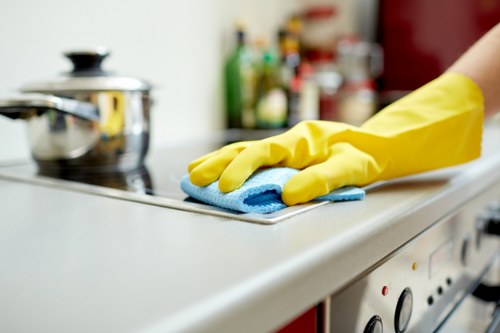
Before starting any mattress cleaning project, it helps to gather the right tools. Having everything ready makes the process easier and prevents over-wetting or damaging the mattress. The exact supplies may vary depending on the type of mattress and the stains you’re treating.
Most homeowners can handle basic mattress cleaning using household items. However, using the right products in the right way is important. Harsh chemicals or excess water can damage internal layers, weaken adhesives, or leave behind residue that affects sleep quality.
Here are some common supplies used in mattress cleaning:
- Vacuum with upholstery attachment
- Baking soda
- White vinegar
- Dish soap or mild laundry detergent
- Hydrogen peroxide for certain stains
- Clean microfiber cloths
- Spray bottle
- Soft brush or toothbrush
- Fans or open windows for drying
What to Avoid
Do not saturate the mattress. Too much liquid can create mold risk and damage the interior layers. Also avoid bleach unless the mattress manufacturer specifically approves it. For safe mattress cleaning, use gentle methods and always test any solution on a small hidden area first.
Step-by-Step Mattress Cleaning Process
Effective mattress cleaning follows a methodical process. By moving through each step carefully, you can remove dirt, reduce odors, and refresh the surface without causing damage.
Start by stripping all bedding from the mattress. Remove sheets, pillowcases, mattress protectors, and blankets. Wash these items separately while you focus on the mattress itself. This is an important first step because clean bedding helps preserve the results of mattress cleaning.
Next, vacuum the entire mattress surface using an upholstery attachment. Go slowly and cover the top, sides, seams, and edges. These areas tend to trap the most dust and debris. Vacuuming is one of the simplest yet most important parts of mattress cleaning because it removes loose particles before any wet treatment begins.
Basic Mattress Cleaning Steps
- Strip the bed completely.
- Vacuum the mattress thoroughly.
- Treat stains individually.
- Deodorize with baking soda.
- Allow time for drying and air circulation.
- Reassemble the bed only when fully dry.
After vacuuming, identify stains and treat them individually. Spot cleaning is more effective than treating the mattress as one large surface because different stains respond best to different methods. Once stains are handled, sprinkle baking soda over the mattress and let it sit for several hours. Baking soda helps absorb odor and moisture, making it a useful natural deodorizer in mattress cleaning.
How to Remove Common Mattress Stains
One of the biggest reasons people seek mattress cleaning is stain removal. Sweat, blood, urine, coffee, and accidental spills are all common and can be frustrating to deal with. The key is to act quickly and use the right approach for each stain type.
For fresh liquid spills: Blot the area immediately with a dry cloth. Do not rub, since that can push the liquid deeper into the mattress. Use a small amount of a mild cleaning solution and blot again until the stain lifts.
For sweat stains: Mix a mild detergent with warm water and gently dab the stained area. A soft brush can help loosen residue, but avoid aggressive scrubbing. Sweat-related mattress cleaning often benefits from deodorizing with baking soda afterward.
Common Stain Treatments
- Urine: Blot first, then use a vinegar-water solution followed by baking soda.
- Blood: Use cold water only at first, then a small amount of hydrogen peroxide if appropriate for the material.
- Coffee or tea: Blot, then spot clean with mild detergent solution.
- Food spills: Remove solids gently and treat the remaining stain with a damp cloth and mild soap.
Always remember that mattress cleaning should focus on gentle stain lifting rather than heavy saturation. The goal is to clean the affected area while keeping the internal layers dry.
Natural Mattress Cleaning Methods That Work
Many homeowners prefer natural mattress cleaning because it is affordable, practical, and less likely to introduce strong chemicals into the bedroom. Natural methods are especially helpful for routine maintenance and odor control.
Baking soda is one of the most effective natural options. It can help neutralize odors, absorb moisture, and freshen the mattress surface. Simply sprinkle it across the mattress, let it sit for several hours, and vacuum it up thoroughly. This method is often enough to improve everyday freshness.
White vinegar is another useful tool in mattress cleaning. When diluted with water, it can help address some stains and odors. Because vinegar has a strong scent initially, proper drying and ventilation are important. Open windows, run a fan, or place the mattress in a well-ventilated room to speed up the process.
Natural Cleaning Tips
- Use small amounts of liquid to avoid over-wetting.
- Always dry the mattress completely before making the bed.
- Test any solution before treating a visible stain.
- Combine vacuuming and deodorizing for better results.
Natural mattress cleaning is not about doing less; it’s about doing the right things in a smart and safe way. With consistency, these simple methods can keep your mattress feeling much fresher between deep cleans.
Professional Mattress Cleaning vs. DIY Cleaning
While many mattress cleaning tasks can be handled at home, there are times when professional service may be a better choice. Professional mattress cleaning uses specialized equipment and solutions that can penetrate deeper into the mattress and remove embedded contaminants more effectively than surface cleaning alone.
DIY mattress cleaning is ideal for routine maintenance, light stains, and odor control. It is cost-effective and easy to do with supplies you likely already have. However, if your mattress has stubborn stains, strong odors, or has not been cleaned in years, professional mattress cleaning may provide more thorough results.
Professional services may be especially helpful if you are dealing with:
- Deep-set urine or pet stains
- Heavy dust accumulation
- Mold or mildew concerns
- Persistent odors
- Allergy-related cleaning needs
Benefits of Professional Mattress Cleaning
- Deep extraction of dirt and allergens
- Faster drying with specialized tools
- Safer treatment for delicate materials
- Improved odor removal
- More consistent results overall
If you want a fresher sleeping surface without the guesswork, book your service now and consider expert mattress cleaning for a deeper refresh.
Mattress Cleaning for Allergy Control
For households affected by allergies, mattress cleaning is more than a cosmetic task. It is part of managing indoor air quality and reducing exposure to common triggers. Dust mites, pet dander, pollen, and mold spores can all settle into mattress fibers over time.
Regular mattress cleaning can help lower the number of allergens that accumulate in the bedroom. Vacuuming, rotating the mattress, washing bedding weekly, and using a mattress protector all work together to reduce buildup. If allergies are a serious issue, focusing on mattress cleaning may improve sleep quality and comfort.
Allergy-Friendly Bedroom Habits
- Wash sheets and pillowcases weekly in hot water when appropriate.
- Use an allergen-proof mattress protector.
- Vacuum the mattress and surrounding floor regularly.
- Keep bedroom humidity under control.
- Replace old pillows when needed.
Clean sleeping spaces can support healthier breathing and better rest. When mattress cleaning becomes part of a larger allergy-control routine, the bedroom can feel noticeably cleaner and more comfortable.
How to Dry a Mattress Properly After Cleaning
Drying is one of the most important parts of mattress cleaning. If moisture remains trapped inside the mattress, it can lead to mildew, odors, and even structural damage. Because of that, the drying stage should never be rushed.
After spot cleaning or using any damp solution, press a dry towel into the cleaned area to absorb as much moisture as possible. Then leave the mattress uncovered and allow air to circulate around it. A fan or open window can speed the process. If possible, position the mattress in a room with good ventilation and natural airflow.
Never remake the bed too soon. Even if the surface feels slightly dry, deeper layers may still hold moisture. Wait until the mattress is completely dry before putting on sheets or protectors. This is especially important in humid climates, where drying can take longer.
Drying Tips for Better Results
- Blot excess moisture immediately.
- Use fans to increase air circulation.
- Keep the room warm and ventilated.
- Allow enough drying time before use.
- Avoid direct heat that may damage materials.
Preventive Tips to Reduce Future Mattress Cleaning Needs
The easiest mattress cleaning is the kind you don’t have to do as often. Prevention can dramatically reduce buildup, making maintenance simpler and less time-consuming. A few smart habits go a long way.
Using a waterproof or washable mattress protector is one of the best ways to reduce stains and moisture absorption. This barrier helps shield the mattress from sweat, spills, and everyday dirt. If the protector gets dirty, you can wash it separately without disturbing the mattress itself.
Rotating the mattress regularly may also help distribute wear more evenly and reduce pressure on certain areas. In addition, keeping food and drinks away from the bed lowers the chance of accidental spills. Pets can be wonderful, but if they sleep on the bed, more frequent mattress cleaning may be necessary.
Prevention Checklist
- Use a high-quality mattress protector
- Vacuum the mattress monthly
- Wash bedding weekly
- Rotate or flip the mattress if recommended
- Avoid eating in bed when possible
- Keep windows and room humidity managed
Consistent prevention saves time, money, and effort. The less dirt and moisture that reach the mattress, the easier mattress cleaning becomes over time.
When to Consider Replacing Instead of Cleaning
Even with good mattress cleaning habits, every mattress has a lifespan. If your bed is sagging, deeply stained, developing odors that won’t go away, or causing discomfort, cleaning may no longer be enough. In those cases, replacement may be the better long-term solution.
A mattress that no longer provides proper support can affect sleep quality and back comfort. If you are constantly dealing with recurring stains, visible wear, or persistent allergy flare-ups despite regular mattress cleaning, it may be time to assess whether the mattress is still performing well.
Before replacing it, though, try a final deep mattress cleaning or professional service. Sometimes a thorough refresh can improve the situation significantly. But if the mattress is old and structurally worn, replacement can bring better comfort and hygiene.
Questions to Ask Yourself
- Is the mattress older than 7–10 years?
- Are stains or odors still present after cleaning?
- Does the mattress sag or feel uneven?
- Do you wake up with allergy symptoms?
- Does the mattress still feel supportive?
Final Thoughts on Mattress Cleaning
Mattress cleaning is a simple but powerful way to improve your bedroom environment. It helps reduce allergens, remove odors, address stains, and protect your mattress from premature wear. Whether you choose DIY methods or professional help, regular maintenance can make your bed cleaner, fresher, and more comfortable.
The key to effective mattress cleaning is consistency. Vacuum regularly, treat spills quickly, use preventive protection, and allow the mattress to dry fully after any cleaning. These habits create a healthier sleep space and help preserve your mattress for longer.
If your bed needs a deeper refresh, contact us today or book your service now to take the next step toward a cleaner, healthier mattress. A fresh mattress supports better rest, and better rest supports everything else in your day.