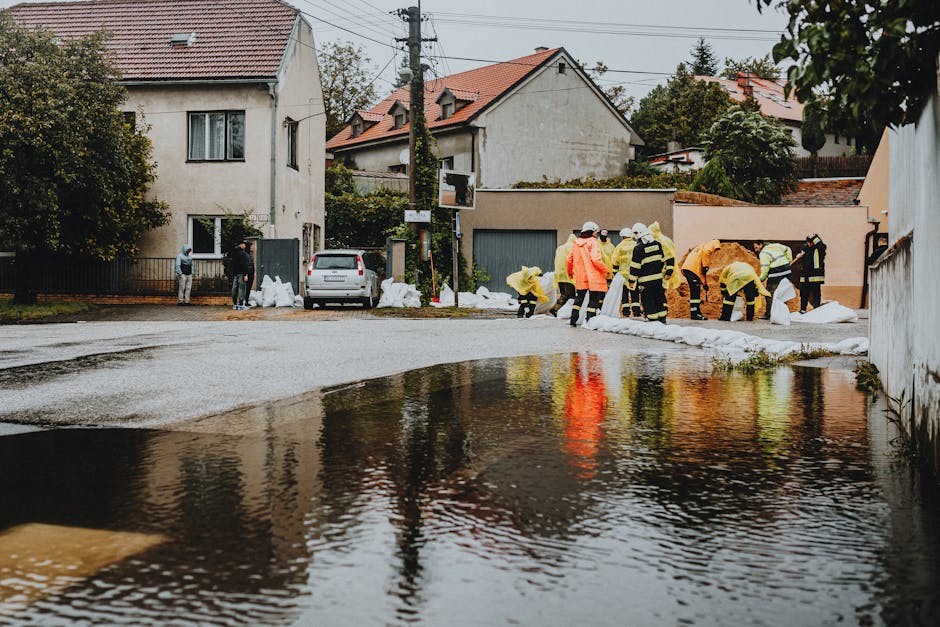
Same day cleaning Lambeth solutions for emergency floods

When water spreads across a floor at 7am, the day changes fast. Carpets get sodden, skirting boards start to swell, and that damp smell creeps in before breakfast. If you need Same day cleaning Lambeth solutions for emergency floods, you are usually not looking for a polished routine clean. You need someone to turn up quickly, reduce the damage, and help you get the place safe enough to live or work in again. This guide explains how same day flood cleaning works in Lambeth, what to do first, what to avoid, and how to choose the right support without adding stress to an already messy situation.
It's written for people dealing with burst pipes, washing machine leaks, overflowing drains, roof seepage, or sudden water ingress after heavy rain. In other words: the unglamorous, slightly chaotic reality. Let's get into it.
Why Same day cleaning Lambeth solutions for emergency floods Matters
A flood in a home or commercial property is not just a cleaning issue. It becomes a time issue very quickly. The longer water sits, the more likely it is to soak into flooring, creep behind units, soak under furniture, and leave behind marks, odour, or secondary damage. In Lambeth, where many properties are period homes, flats, basements, and busy mixed-use buildings, that speed matters even more. Older materials can react badly to prolonged moisture, and shared buildings can complicate access, noise, and responsibility.
Same day cleaning is about damage control. Not miracle work. Not instant restoration. Damage control, then structured cleanup, then drying and follow-up. That distinction matters because people sometimes expect a quick wipe-down to solve everything. Truth be told, if water has spread under a carpet or into subfloor layers, a surface clean alone won't cut it.
The reason local response is so important is simple: water does not wait politely. It moves under doors, collects in corners, and pulls dirt, soap residue, and debris with it. Floodwater, even if it looks "clean" at first, can become unpleasant fast. And if the water is from a contaminated source, the job needs a more careful approach. That's where emergency flood cleaning and same day support become valuable.
If you also need broader help after the flood has been stabilised, a follow-up deep cleaning service or carpet cleaning may be the sensible next step once the area is dry enough to treat properly.
Expert summary: the best same day flood response is fast, cautious, and practical. Stop the source, remove standing water, protect materials, and dry the area properly before any cosmetic cleaning begins.
Table of Contents
- Why Same day cleaning Lambeth solutions for emergency floods Matters
- How Same day cleaning Lambeth solutions for emergency floods Works
- Key Benefits and Practical Advantages
- Who This Is For and When It Makes Sense
- Step-by-Step Guidance
- Expert Tips for Better Results
- Common Mistakes to Avoid
- Tools, Resources and Recommendations
- Law, Compliance, Standards, or Best Practice
- Options, Methods, or Comparison Table
- Case Study or Real-World Example
- Practical Checklist
- Conclusion
- Frequently Asked Questions
How Same day cleaning Lambeth solutions for emergency floods Works
Emergency flood cleaning is usually organised around urgency, safety, and access. A good provider will want to know what kind of water it is, how much of the property is affected, whether electricity is involved, and what surfaces are wet. That initial call may feel a bit clinical, but it's there for a reason. It helps decide whether the job is a quick extraction and sanitising visit, or a more involved same day clean with follow-up drying.
In practice, the process often looks like this:
- Triage over the phone. The cleaner or coordinator asks what happened, how long ago it started, what room is affected, and whether the water is still entering the property.
- Safety check on arrival. Standing water, slippery floors, and electrical risks are checked first. If the area is unsafe, the team may advise waiting for the source to be isolated.
- Removal of visible water. Towels, wet vacs, mops, and other extraction methods are used to remove pooling water.
- Protection of belongings. Lightweight furniture may be moved, items lifted, and anything at risk placed in a drier area.
- Targeted cleaning and sanitising. Appropriate cleaning is carried out based on the type of water and the affected materials.
- Drying plan. Airflow, dehumidification, and follow-up visits may be recommended depending on how deep the moisture has travelled.
That sequence sounds straightforward, but the detail matters. For example, a flooded hallway in a flat is not the same as a soaked office carpet, and a kitchen leak is very different from a bathroom overflow. A smart emergency cleaner adjusts the method rather than forcing the same routine everywhere.
For business premises, same day flood cleanup may be tied to broader property care. If the incident has affected work areas, reception zones, or shared hallways, services such as commercial cleaning and communal area cleaning can be helpful once the immediate risk is under control.
Key Benefits and Practical Advantages
The obvious benefit is speed. You get help on the same day, which reduces the chance of water sitting around and turning a small mishap into a much bigger headache. But the practical advantages go beyond speed alone.
- Less secondary damage. Quick action can limit staining, swelling, and lingering smells.
- Safer conditions. Standing water and wet surfaces are slip hazards. Fast cleanup makes the area more usable again.
- Better protection for carpets and upholstery. Delicate fabrics do not enjoy being left damp all afternoon, no matter how much you wish they did.
- Reduced disruption. In a home, that means fewer rooms out of action. In an office or short-let property, it means a quicker return to normal use.
- Clearer decision-making. Once the water is extracted, you can judge whether items need specialist treatment, replacement, or a deeper clean.
There's also a quieter benefit: peace of mind. When you are staring at a wet floor at an awkward hour, it helps enormously to know the situation is being handled by people who understand the mess and won't make promises they can't keep. That matters, especially in the middle of a wet Monday morning when the whole thing feels a bit absurd.
For some homes, flood cleanup overlaps with move-related work. If the water damage happened just before an inspection or handover, it may be useful to look at move-out cleaning or move-in cleaning once the emergency has been stabilised.
Who This Is For and When It Makes Sense
Same day flood cleaning is not only for dramatic, whole-property floods. In fact, many calls are for smaller but awkward incidents that still need prompt attention. A washing machine pipe pops loose. A tenant reports water coming through a ceiling after rain. A basement flat starts to smell musty after overnight seepage. A shop floor gets water near the entrance before opening. Each case is different, but the need for quick, sensible action is the same.
This service makes sense for:
- homeowners dealing with burst pipes or appliance leaks
- tenants who need fast cleanup before damage spreads
- landlords trying to protect flooring and furniture between occupancies
- letting agents handling urgent turnarounds
- shop owners and office managers with water in customer or staff areas
- short-let hosts who need the property safe for the next guest
It's also useful if you're not sure how bad the problem is yet. Sometimes the visible water looks manageable, but the real issue sits underneath. A damp patch near a skirting board can hide much more moisture than you'd expect. You don't always need a full restoration project, but you do need someone who knows when to push further and when a lighter intervention will do.
If the flood has left soft furnishings wet, consider whether specialist follow-up is needed. Sofa cleaning, upholstery cleaning, mattress cleaning, or even rug cleaning may become relevant after the emergency stage is complete.
Step-by-Step Guidance
If you're in the middle of the problem, keep this sequence in mind. It's practical, and it stops the whole thing from turning into guesswork.
- Stop the source if you can do so safely. Turn off the water supply, isolate the appliance, or shut the relevant valve. If you're not sure, don't take risks.
- Switch off electricity in affected areas if needed. Water and electrics are a bad mix. If there's any doubt, keep away from sockets and call for professional help.
- Move light items out of the wet zone. Chairs, small rugs, boxes, and portable belongings should be lifted out first.
- Take photos for your records. Before anything is moved too much, document the damage. This helps with landlords, insurers, or internal reports.
- Contact a same day cleaning provider. Explain the type of flood, the floor level, and whether access is straightforward. Clear, plain details help the response.
- Use temporary ventilation. Open windows if it is safe and practical, and create airflow where you can. Don't overdo it if the weather is driving more moisture inside.
- Let the team assess the materials. Different surfaces need different methods. Wood, laminate, carpet, grout, and fabric all behave differently.
- Plan follow-up drying or specialist cleaning. A single visit may be enough for a small spill-over, but deeper saturation often needs more time.
A quick note here: do not start scrubbing everything in sight. People often do this out of panic. Understandable, but not always helpful. If the wrong cleaning product is used on a carpet or upholstered chair, you can lock in stains or spread moisture further. A calm first pass beats a frantic one.
Expert Tips for Better Results
After dealing with plenty of urgent cleanups, a few lessons show up repeatedly. They're small, but useful.
- Act fast, but do not rush blindly. Speed matters, yet safety comes first every time.
- Identify the source of water. Cleaning up without fixing the leak is like mopping while the tap stays on. You'll know how that ends.
- Lift rather than drag wet furniture. Dragging can spread dirty water and damage flooring.
- Keep an eye on hidden edges. Under cabinets, behind radiators, and along skirting boards are common trouble spots.
- Use airflow sensibly. Good ventilation helps, but freezing cold air or poor cross-breeze can make drying uneven.
- Ask what happens next. A sensible provider should explain whether a one-off clean, drying support, or a follow-up visit is likely.
For properties with regular upkeep plans, it may be worth looking at regular cleaning or one-off cleaning once the emergency is out of the way. Not because that fixes the flood, obviously, but because a stable baseline makes future issues easier to spot early.
If the flood is in a home with a busy kitchen, and the leak came from an appliance or drainage issue, follow-up support can also sit alongside house cleaning or domestic cleaning after the immediate danger is over.
Common Mistakes to Avoid
Emergency flood situations bring out people's improvised problem-solving skills. Which is admirable. But not always wise.
- Ignoring hidden moisture. A floor can look fine and still be damp underneath.
- Using too much detergent. More product does not mean better cleaning. Often it means residue, especially on fibres.
- Replacing furniture too early. Put items back only when the area is properly dry.
- Assuming all water is the same. Water from a burst clean pipe and water from an unknown source should not be treated the same way.
- Skipping documentation. Photos and notes are boring in the moment, but very handy later.
- Trying to dry everything with heat alone. Heat can help, yes, but airflow and moisture removal are the bigger picture.
Another common slip: thinking a good deodoriser will solve a flood smell. It might mask it for an hour or two, then the damp returns. The smell is usually a sign that moisture remains somewhere. That's the bit to address.
Tools, Resources and Recommendations
You do not need a warehouse of specialist kit to handle the first minutes of a flood, but a few items make life easier. Some are already in many homes; others are just sensible to keep around if you own a property or manage one.
- clean towels or absorbent cloths
- mop and bucket
- rubber gloves
- bin bags for wet waste
- torch for checking under units or behind furniture
- portable fan, if available and safe to use
- notebook or phone notes for damage recording
For the follow-up stage, a reliable emergency cleaning provider should be able to advise on whether your situation also needs targeted services such as window cleaning if splash contamination reached glass, or oven cleaning if kitchen steam, grease, and water have mixed into a larger mess. That sounds oddly specific, but kitchens do have a talent for becoming multi-problem zones.
If you are comparing providers, ask straightforward questions:
- What is your same day response window?
- Do you handle carpets, hard floors, and upholstery?
- Can you explain what parts of the job are cleaning versus drying?
- Do you provide invoices or written summaries for records?
- What should I do before you arrive?
Good answers are usually clear and calm. No drama, no jargon storm.
Law, Compliance, Standards, or Best Practice
Flood cleaning can involve health and safety considerations, property access issues, and occasionally insurance documentation. While the exact duties depend on the property type and situation, best practice in the UK generally means taking reasonable steps to protect people from slips, electrical hazards, and contaminated water. If a space is shared or commercially used, that becomes even more important.
From a practical point of view, safe flood cleanup usually means:
- making the area safe before cleaning starts
- treating unknown water cautiously
- recording the damage for landlord, agent, or insurer purposes
- using suitable cleaning methods for the surface and contamination level
- following product instructions and not mixing chemicals
If you are dealing with a lease, managed property, or business premises, it is sensible to check relevant building procedures, tenancy responsibilities, or insurer requirements before major disposal or replacement decisions. If in doubt, keep notes and ask for written confirmation of what has been cleaned and what remains at risk.
For peace of mind on the provider side, pages like health and safety policy, insurance and safety, terms and conditions, and pricing and quotes can help you understand how a company works before you book, which is especially useful when the situation is urgent and you need a calm decision fast.
Options, Methods, or Comparison Table
Not every flood needs the same response. Here's a simple comparison to help you think clearly about the options.
| Situation | Best immediate response | Likely follow-up | What to watch for |
|---|---|---|---|
| Small clean water spill | Spot clean, absorb, ventilate | Light domestic or one-off cleaning | Residual damp under furniture |
| Burst pipe in a room | Extract water, protect items, assess surfaces | Deep cleaning and drying support | Hidden moisture in floors or skirting |
| Appliance leak in kitchen | Remove water, check electrics, sanitise area | House cleaning or oven-related kitchen cleanup if needed | Odour, grease, cabinet swelling |
| Office or shop flooding | Fast extraction, hazard control, isolate area | Commercial cleaning and communal area follow-up | Access, disruption, customer safety |
| Upholstery or rug soak-through | Blot, lift, reduce spread | Specialist fabric treatment | Staining, odour, dye transfer |
The table is deliberately simple. Flooding often feels chaotic, but the choice usually boils down to two questions: how much water is involved, and how deep has it gone? Answer those well, and the next step gets clearer.
Case Study or Real-World Example
Imagine a basement flat in Lambeth on a rainy Tuesday morning. A washing machine hose loosens overnight, and by 8am there's a shallow layer of water across the utility corner and part of the hallway. The resident notices a damp smell first, then the cold splash underfoot. Not ideal.
The first call is not to start scrubbing. It's to isolate the water source and move anything light or absorbent away from the area. Towels go down. Small items are lifted. A same day cleaner arrives, checks the condition of the floor, and removes standing water before it creeps farther under the cupboard edge. The visible surface is cleaned, but the important bit is the assessment: one patch of laminate has taken on moisture, and a rug nearby is saturated. The rug is separated for specialist treatment, and the floor is left to dry with airflow.
Later, after the property is safe, the resident arranges a deep clean for the affected zone and a follow-up look at the rug. It's not glamorous. It's just sensible. And honestly, that's usually what emergency flood cleaning should be: sensible, steady, and unexciting in the best possible way.
Practical Checklist
Use this quick checklist if you are dealing with flood damage right now.
- Stop the water source if it is safe to do so
- Switch off power in affected areas if needed
- Keep people away from slippery or electrically risky zones
- Lift small items and soft belongings out of the wet area
- Take photos before moving too much
- Call for same day cleaning help
- Tell the provider what type of water is involved
- Ask whether carpets, furniture, or hard floors need special handling
- Ventilate the area safely
- Arrange follow-up drying or specialist cleaning if needed
- Do not replace furniture until the area is dry
- Keep written notes for landlord, agent, or insurer use
If you are a landlord, host, or manager, it also helps to keep links between recurring property care in place. Services like Airbnb cleaning, end of tenancy cleaning, or office cleaning can be relevant once the emergency is handled and the property needs to get back to standard.
Conclusion
Emergency flooding is stressful because it forces you to make quick decisions with incomplete information. That's exactly why same day cleaning in Lambeth can be so valuable: it gives you a fast, sensible response before the problem grows teeth. The right approach is part cleanup, part safety check, part damage prevention. Not flashy. Very effective.
If you remember nothing else, remember this: deal with the source, keep people safe, document the damage, and don't assume the surface view tells the whole story. A wet floor can hide a much larger issue beneath, and a calm same day response often makes all the difference.
Get a free quote today and see how much you can save.
And if today feels a bit overwhelming, that's fair enough. Floods have a way of doing that. The good news is they're manageable with the right help, one careful step at a time.
Frequently Asked Questions
What does same day flood cleaning usually include?
It usually includes rapid attendance, removal of visible water, safety checks, targeted cleaning of affected surfaces, and advice on drying or follow-up treatment. The exact scope depends on the flood source and how far the water has spread.
How fast can emergency cleaning arrive in Lambeth?
That depends on workload, traffic, and the time of day, but same day response usually means attendance on the day you call where possible. If you need a fast visit, be very clear about the urgency and the type of water involved.
Can flood water damage carpets permanently?
Yes, it can, especially if it sits for too long or if contaminated water is involved. Fast extraction and proper drying improve the chances of saving the carpet, but not every carpet can be fully restored. Sometimes it is a judgement call.
Should I clean up flood water myself before the cleaners arrive?
You can safely blot small areas, move light items, and reduce further spread if there is no electrical risk. But if the water is extensive, dirty, or near electrics, it is better to wait and let the emergency team handle it.
Is flood cleaning the same as deep cleaning?
No. Flood cleaning is an urgent response focused on safety, extraction, and damage control. Deep cleaning is more thorough and usually comes after the area is stable and dry enough for a full treatment.
What if the flood came from a washing machine or dishwasher?
That is common, and it usually means the area needs prompt extraction plus checks around flooring, cupboards, and nearby fabrics. Appliance leaks can look small but travel surprisingly far under surfaces.
Do I need to replace furniture after a flood?
Not always. Some items can be dried and cleaned, while others may be too damaged or unsafe to keep. Upholstered furniture and mattresses need careful assessment because they trap moisture easily.
How do I know if the water is contaminated?
If it came from a clean pipe, the risk is generally lower than if it came from drains, toilets, or an unknown source. When in doubt, treat it cautiously and avoid direct contact until it has been assessed.
Will my landlord or insurer want photos?
Usually, yes. Photos help show the scale of the problem, the source of the water, and any affected belongings. They can be useful even if you are not sure whether you will make a claim.
Can emergency flood cleaning help prevent mould?
It can help a lot, because quick removal of water and proper drying reduce the conditions that mould likes. That said, mould prevention depends on how quickly the area dries and whether hidden moisture remains in walls or floors.
What should I ask before booking a same day cleaner?
Ask what the response time is, what types of surfaces they handle, whether they can advise on drying, and what you should do before they arrive. Clear questions save time, which is exactly what you need in an emergency.
What if the flood happened in a shared building or office?
Then access, responsibility, and communication matter more. Shared areas often need careful coordination, and a provider familiar with communal area cleaning or commercial cleaning may be useful once the immediate risk is contained.