Lambeth Council rules for bulk waste and cleaning disposals
If you live or work in Lambeth, getting rid of bulky waste and cleaning-related rubbish can feel more awkward than it should. A mattress waiting in the hall, a broken chair after a deep clean, bags of renovation dust, or the aftermath of a move-out job can quickly turn into a compliance headache. The Lambeth Council rules for bulk waste and cleaning disposals are there to keep streets clear, reduce fly-tipping, and make sure waste is handled safely. But the details matter. What counts as bulk waste? What should be booked, bagged, separated, or held back for special handling? And how do you avoid the classic mistake of leaving out items that should never go on the pavement in the first place?
This guide breaks it all down in plain English. You will get a practical overview of how the rules usually work, what to do with common cleaning and household waste, how to avoid fines or refused collections, and when it makes sense to bring in help for a bigger clean. If you are planning a deep clean, end of tenancy cleaning, or even a one-off clear-out, the right disposal plan saves time, stress, and a bit of backache too. Let's face it, nobody enjoys dragging an old sofa downstairs at 7 a.m. only to discover it was never eligible for collection.
Table of Contents
- Why Lambeth Council rules matter
- How the bulk waste and cleaning disposal process works
- Key benefits and practical advantages
- Who this is for and when it makes sense
- Step-by-step guidance
- Expert tips for better results
- Common mistakes to avoid
- Tools, resources and recommendations
- Law, compliance, standards and best practice
- Options, methods and comparison table
- Case study or real-world example
- Practical checklist
- Conclusion
- Frequently asked questions
Why Lambeth Council rules for bulk waste and cleaning disposals Matters
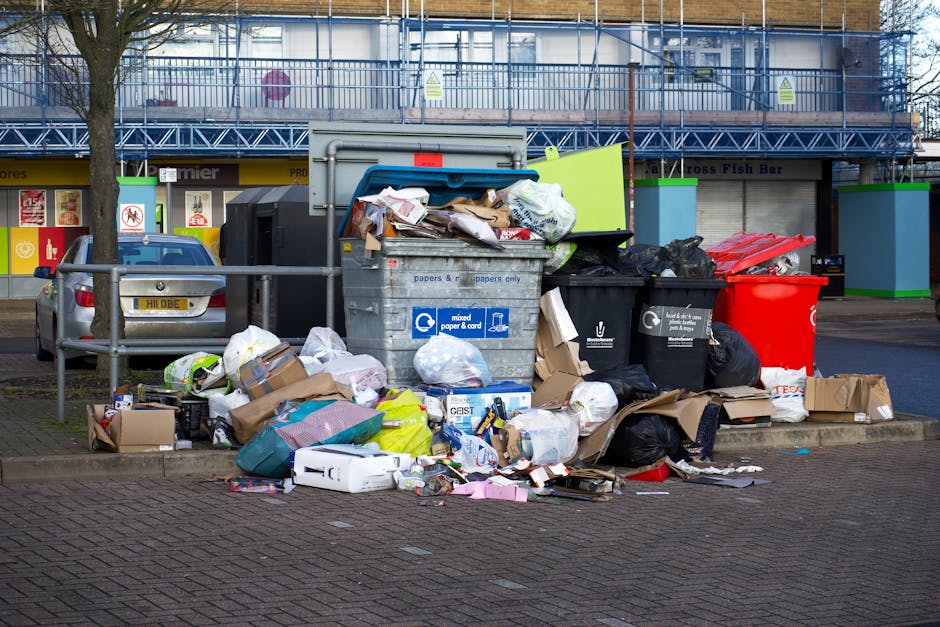
Bulk waste rules are not just admin. They affect safety, street cleanliness, neighbours, and whether your waste actually gets taken away. In Lambeth, as in most London boroughs, bulky items and cleaning disposals need to be presented in a way that the council or your chosen disposal route can reasonably handle. If you leave the wrong thing out, it may be refused, left behind, or reported.
That matters for homeowners, tenants, landlords, managing agents, cleaners, and small businesses alike. A simple example: after a move-out clean, you might have bags of general rubbish, a damaged blind, a vacuum cleaner that no longer works, and a pile of cleaning cloths soaked with product residue. Not everything belongs in the same disposal stream. Some items are standard household waste, some count as bulky waste, and some may need special handling if they are contaminated or classed as hazardous.
There is also a reputational side to this. Fly-tipped waste outside a property can make a building look neglected in a matter of hours. In a busy London street, that can become a magnet for more dumping. A neat, lawful disposal routine is boring, yes, but it protects the area and saves hassle later. Boring is underrated.
Practical takeaway: if an item is large, awkward, contaminated, or likely to break apart, do not assume it can be treated like ordinary rubbish. Check the disposal route first, not after it is already on the pavement.
How Lambeth Council rules for bulk waste and cleaning disposals Works
The exact process can vary depending on the type of item, the amount of waste, and whether you are disposing from a home, flat, communal area, or business. Broadly speaking, you should think in categories.
1) Ordinary household waste
This is your everyday bin waste: food packaging, small non-hazardous rubbish, and other items that fit within the usual collection system. Cleaning jobs often create plenty of this, from disposable wipes to dust sheets and packaging from new supplies. If the waste is light, clean, and fits within standard bins or sacks, it usually belongs here.
2) Bulky household items
These are larger items such as mattresses, wardrobes, chairs, tables, and some white goods. They are typically too big for normal bins and may need a specific bulky waste arrangement. In practice, the key issue is size and handling. If two people would struggle to move it safely, treat it as bulky rather than ordinary rubbish.
3) Cleaning-related waste
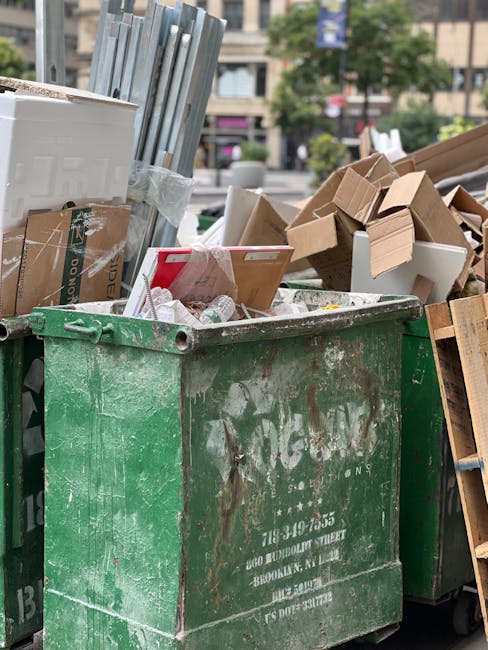
This is where people get caught out. Cleaning disposals are not one neat category. A bag of dry dust from a domestic clean is not the same as a mop head soaked in chemicals, and neither is the same as debris from after builders cleaning. For example, rubble, plaster dust, broken tiles, and heavy construction residue may need separate treatment from household waste. Likewise, soaked cloths, chemical containers, and contaminated absorbent materials should be checked carefully before disposal.
4) Mixed waste from clear-outs
Move-outs and one-off cleans often produce mixed waste: cardboard, broken household goods, packaging, textiles, and general rubbish. Mixed loads are where good sorting matters most. If you throw everything into one pile, you can end up with avoidable refusals or extra charges. A little sorting at the start usually pays for itself.
5) Special or hazardous materials
Some cleaning products and contaminated materials should never just be bundled into an ordinary rubbish bag. If something is corrosive, flammable, or clearly hazardous, the safer route is to isolate it and check the correct disposal method before it leaves the property. This is especially relevant for commercial sites and larger housekeeping jobs.
In simple terms, the process is about deciding three things: what the item is, how much of it there is, and whether it needs special handling. That's the whole game, really.
Key Benefits and Practical Advantages
Following the right disposal route is not just about staying on the right side of the rules. It makes the whole clean-up process smoother and cheaper in the long run.
- Fewer refusals: items are less likely to be rejected if they are sorted correctly.
- Better safety: staff, residents, and passers-by are less exposed to sharps, heavy lifting risks, or chemical residue.
- Cleaner shared spaces: important in flats, HMOs, and communal entrances where clutter becomes everyone's problem.
- Less stress during moves: a planned disposal process prevents last-minute panic on handover day.
- Lower chance of fly-tipping disputes: if waste is handled properly, there is less room for complaints or blame.
- More professional presentation: useful for landlords, letting agents, and businesses that need to keep premises looking in order.
For cleaning businesses, the benefit is even bigger. Proper disposal habits help support a cleaner handover, better client trust, and fewer awkward conversations about what was left behind. A tidy system is part of the service, not an afterthought. If your work involves regular property turnaround, pages like move out cleaning and move in cleaning naturally sit alongside good waste planning.
Who This Is For and When It Makes Sense
This topic matters to a wider group than many people realise. You may need to understand the rules if you are:
- a tenant clearing out a flat before moving day;
- a landlord preparing a property between lets;
- a homeowner replacing old furniture or appliances;
- a cleaner dealing with post-renovation mess;
- a concierge or managing agent overseeing communal waste;
- a small business handling office clear-outs;
- a tradesperson finishing a job and removing waste responsibly.
It is especially relevant after events like:
- end of tenancy turnover;
- spring cleaning or seasonal decluttering;
- renovation or decorating works;
- short-let changeovers;
- office refits and clear-outs;
- post-party or post-event clean-ups;
- bad weather damage where soaked soft furnishings need disposal.
If you manage a property professionally, you will know the pain of a waste pile that seems small on day one and somehow doubles overnight. A bit dramatic, but true.
Step-by-Step Guidance
Here is a practical way to handle bulk waste and cleaning disposals without making life harder than it needs to be.
- Sort everything into categories. Separate general rubbish, recyclables, bulky items, construction debris, and anything potentially hazardous.
- Check what is actually bulky. Large furniture, mattresses, and awkward household items usually belong in a bulky category, not normal bins.
- Keep contaminated cleaning waste apart. Items soaked in chemicals, grease, paint, or other substances may need separate handling.
- Flatten, bundle, or bag where sensible. Cardboard should be flattened if possible. Light waste should be bagged securely. Loose mess creates avoidable problems.
- Protect shared spaces. In blocks and terraces, do not block fire exits, stairwells, or access routes while waiting for collection.
- Book the right disposal method. If the council route is suitable, use it. If not, use an appropriate private disposal or cleaning solution.
- Time the clean-up properly. If you are moving out, arrange disposal before the final inspection, not after. Timing matters more than people think.
- Document what you removed. Photos and a basic waste log can help if there is a later dispute about what was left behind.
If you are dealing with a full-property clean, it is often easier to combine disposal planning with the clean itself. A service like domestic cleaning or one-off cleaning can be paired with a sensible clear-out process so nothing gets missed between rooms.
Expert Tips for Better Results
In our experience, the smoothest waste jobs are the ones where the decision-making happens before the waste is piled up in the hallway. That sounds obvious, but people skip it all the time.
- Use a room-by-room approach. It prevents one pile from becoming a chaotic mix of furniture, dust, and packaging.
- Keep cleaning chemicals sealed and upright. Even when the bottle is nearly empty, residue can still be an issue.
- Take bulky waste measurements early. This helps you avoid the awkward moment when an item simply will not fit the planned route.
- Do the heavy lifting first. Clear the largest items before you start detailed cleaning, otherwise you risk re-dirtying freshly cleaned floors.
- Use lined bins or sacks for loose debris. It speeds up removal and keeps dust under control.
- Protect upholstery and mattresses before moving them. Even if you are disposing of them, you still want to move them safely through the property.
A small but useful habit: keep one "hold" area where questionable items sit until you have decided where they belong. It sounds mildly unglamorous, but it stops bad decisions. And yes, the one bag you were "sure" was harmless often turns out to be the complicated one.
Common Mistakes to Avoid
Most problems come from a handful of recurring mistakes. They are easy to avoid once you know what to look for.
- Mixing everything together: rubbish, recyclables, bulky waste, and contaminated cleaning materials should not all go in one heap.
- Leaving items outside too early: this can block pavements, attract complaints, and increase the risk of fly-tipping.
- Assuming a cleaner can remove anything: some items need specialist disposal, not just lifting and loading.
- Forgetting about shared access: communal hallways, lifts, and bins all need to remain usable.
- Ignoring hazardous residues: a "nearly empty" product container can still be risky.
- Leaving disposal until the last minute: this is the classic one. It creates stress and leads to rushed, costly decisions.
One more thing: do not rely on guesswork. If an item feels borderline, treat it as borderline. That cautious instinct usually saves trouble later.
Tools, Resources and Recommendations
You do not need a complex toolkit, just a sensible one.
- Heavy-duty refuse sacks for general cleaning waste and loose debris;
- Sturdy gloves for lifting, sorting, and clearing awkward items;
- Labels or marker pens for separating waste types;
- Dust sheets and liners to keep hallways and floors clean while moving items;
- Measuring tape for checking whether large furniture can be removed safely;
- Basic checklist for rooms, waste categories, and collection timing;
- Waste log or photo record for larger clear-outs and property handovers.
If sustainability is part of your decision, it is worth reviewing your own habits too. The page on recycling and sustainability is a sensible starting point for thinking about reuse, sorting, and waste reduction in a more structured way.
For larger clean-ups, especially where time matters, it can also help to compare professional support against doing it yourself. A simple quote process through pricing and quotes can help you work out what is practical, not just what sounds cheap on paper.
Law, Compliance, Standards, or Best Practice
This is the section where careful wording matters. Waste disposal in London is shaped by general environmental law, local authority rules, property obligations, and common-sense safety practice. The exact requirements can vary depending on item type and the collection route used, so it is wise to check current council guidance before placing anything out for collection.
As a general rule, you should avoid leaving waste where it could create a hazard, obstruct access, or allow pollution. For businesses, there is also a duty to keep waste controlled and handed over to a properly authorised route. That is especially relevant if you run an office, guest accommodation, or commercial premises. If you are arranging a clean at scale, pages such as commercial cleaning and office cleaning may be useful contextually, because the disposal expectations are often more formal in business settings.
Best practice is straightforward:
- separate waste streams as early as possible;
- keep chemical products secure and clearly identified;
- do not mix general waste with material that could be classed as hazardous;
- protect communal access routes;
- use lawful disposal methods only;
- keep records where the job is large or client-facing.
There is also a duty of care mindset here, even for ordinary households. In plain English, that means you should take reasonable steps to stop waste causing harm after it leaves your hands. Not glamorous. Still important.
Options, Methods, or Comparison Table
If you are deciding how to handle bulky waste and cleaning disposals, the best method depends on size, volume, time, and the type of material involved. Here is a simple comparison.
| Method | Best for | Pros | Trade-offs |
|---|---|---|---|
| Standard household bins | Small, non-hazardous cleaning waste | Simple and familiar | Not suitable for large or awkward items |
| Council-style bulky waste route | Large household items | Appropriate for furniture and other bulky objects | May require advance planning and strict presentation |
| Private removal service | Mixed or time-sensitive clear-outs | Flexible and convenient | Costs more than doing it yourself |
| Recycling or reuse | Usable items in decent condition | Reduces waste and keeps items in circulation | Not every item is suitable |
| Special handling for contaminated waste | Chemical residue, soaked materials, or hazardous items | Safer and more compliant | Requires careful sorting and may need a specialist route |
For many household situations, a mix works best. You might recycle cardboard, book a bulky collection for furniture, and keep contaminated cleaning waste separate until you know the correct route. That little bit of planning stops a simple job becoming a complicated one.
Case Study or Real-World Example
Imagine a two-bedroom flat in Lambeth at the end of a tenancy. The occupants have finished a standard clean, but the property still has an old mattress, a cracked bedside table, broken curtain poles, several bags of mixed rubbish, and a couple of cleaning product bottles with residue in the bottom. The landlord wants the place ready for inspection by Friday morning.
The sensible approach is to split the work into layers. First, remove the ordinary rubbish and flattened packaging. Next, separate the mattress and furniture as bulky items. After that, isolate the product bottles and any contaminated cloths so they are not thrown into the wrong bag. Finally, clean the access path and check that nothing blocks the stairwell or shared entrance.
What usually goes wrong in a situation like this? People rush. They see "waste" as one category and try to force everything into the same removal plan. Then the mattress is left in the corridor, the bags are too heavy, and the cleaner is asked to improvise. That's the moment things unravel a bit.
What works better? A proper plan, a short checklist, and a realistic disposal method matched to the job. If the property needs both cleaning and deeper turnover support, combining the waste step with end of tenancy cleaning can make the handover much smoother.
Practical Checklist
Use this before any bulk waste or cleaning disposal job in Lambeth.
- Have I separated general waste, bulky items, recycling, and anything hazardous?
- Are any cleaning products still contaminated or partially full?
- Will anything block a hallway, fire exit, pavement, or communal entrance?
- Do I know which items are too large for normal household bins?
- Have I checked whether the item can be reused or recycled?
- Is there enough time before handover, inspection, or collection day?
- Have I protected floors, walls, and shared spaces while moving items?
- Do I need a professional clean as part of the disposal plan?
- Have I taken photos of the waste pile and final clear space if this is a tenancy or client job?
- Have I avoided mixing ordinary rubbish with potentially hazardous materials?
If you can tick most of these off, you are in good shape. If not, pause and sort the awkward items first. It is always easier before the bags are tied up.
Get a free quote today and see how much you can save.
Conclusion
The Lambeth Council rules for bulk waste and cleaning disposals are easiest to follow when you treat them as a practical sorting exercise rather than a mystery. Separate waste early, respect shared spaces, keep hazardous or contaminated items apart, and choose the right disposal route for the job. That approach protects you from refusals, delays, complaints, and unnecessary stress.
Whether you are clearing a flat, preparing a rental, tidying after works, or sorting out a messy office turn-around, a calm and organised disposal plan makes the cleaning outcome far better. And honestly, once you have done it properly once, the whole process feels less daunting next time. Small win, but a real one.
When in doubt, slow down, sort carefully, and get the right help for the part that should not be improvised. That is usually the difference between a tidy finish and a headache on the doorstep.
Frequently Asked Questions
What counts as bulk waste in Lambeth?
Bulk waste usually means large items that do not fit in ordinary household bins, such as furniture, mattresses, and awkward household goods. If it is hard to lift, awkward to carry, or clearly too large for standard collection, it is safer to treat it as bulky waste.
Can I put cleaning rubbish in the normal bin?
Some cleaning rubbish can go in normal bins, like general dust, light packaging, or non-hazardous waste. But anything contaminated with chemicals, grease, paint, or other substances should be checked first. When in doubt, separate it.
What should I do with old cleaning products?
Do not mix them with ordinary rubbish unless you are sure they are safe to dispose of that way. Keep them sealed, upright, and clearly separated. Residue inside a bottle can still matter, especially if the product is strong or irritating.
Are mattresses treated as bulk waste?
Yes, mattresses are commonly treated as bulky items because they are large, awkward, and unsuitable for regular bin disposal. They are one of the most common items people forget to plan for during a move-out.
Can builders' debris be left with household waste?
Usually not. Builders' debris, rubble, plaster, tiles, and similar material should be handled separately from ordinary household waste. After refurbishment work, a proper after-build clean is often the better route, especially if there is dust and debris mixed together.
Do landlords have to remove bulk waste before a new tenant moves in?
In practice, yes, a property should be left in a clean and usable condition. Any bulky waste left behind can delay handover and create disputes. It is much easier to clear these items before the final inspection.
What if I live in a flat with a communal bin area?
Keep access clear, do not overfill shared bins, and avoid leaving bulky items in hallways or entrances. Communal areas need to stay safe and usable for everyone. That is where a little organisation goes a long way.
Is it better to reuse, recycle, or dispose of bulky items?
Reuse and recycling are usually the best first choices if the item is in usable condition. If it is damaged, contaminated, or no longer safe, disposal may be the only sensible option. A quick judgment call at the start can save time later.
Can a cleaning company remove waste as part of the job?
Sometimes yes, but only within the limits of what is lawful, practical, and agreed in advance. It is best to confirm exactly what will be removed, how it will be sorted, and whether any special disposal applies. Good planning avoids awkward surprises.
What is the biggest mistake people make with bulk waste disposal?
The most common mistake is leaving everything until the last minute and then trying to dispose of mixed waste in one go. That creates rushed decisions, unsafe lifting, and avoidable refusals. A short plan made early is far better.
How do I prepare for an end-of-tenancy clear-out?
Start by separating belongings from waste, then identify bulky items, rubbish, recyclables, and anything that needs special handling. Combine the disposal plan with cleaning so the property is ready for inspection without a scramble at the end.
Where does a one-off deep clean fit into this?
A one-off deep clean often goes hand in hand with disposal because clutter, dust, and old items tend to appear together. If the job is larger than a routine clean, the disposal side deserves as much attention as the scrub-down itself. That is where a deep cleaning approach can make a real difference.